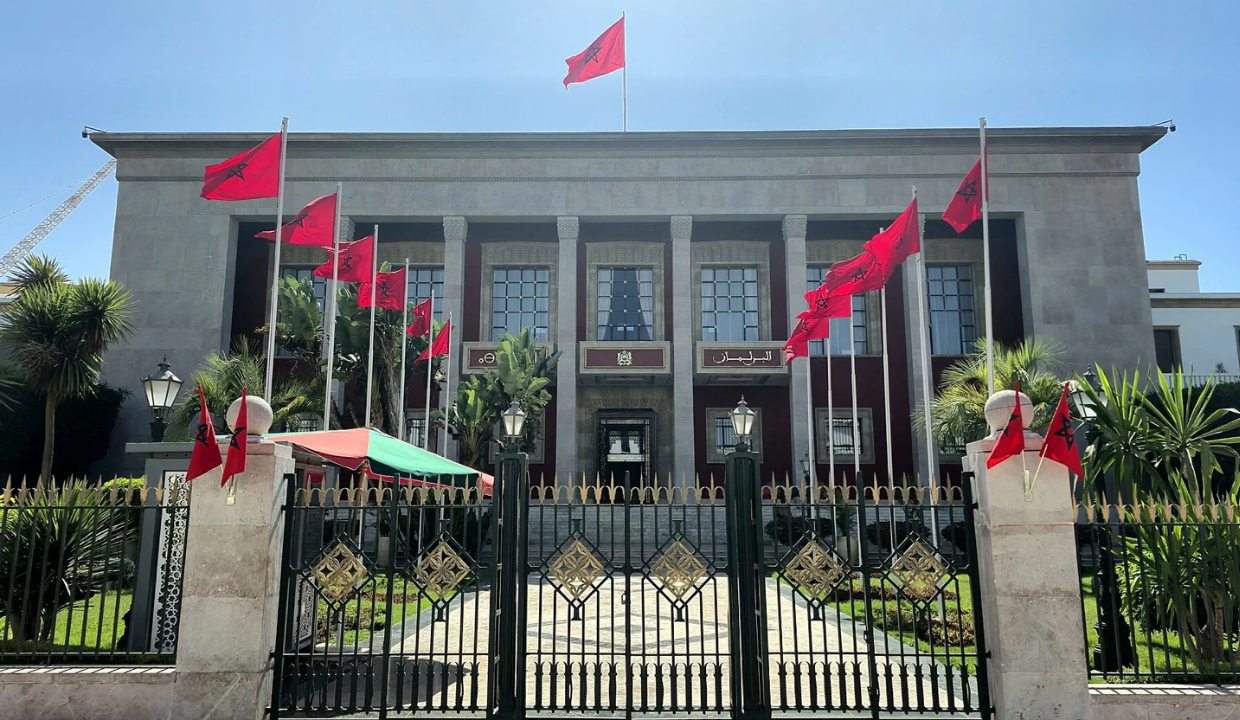

RABAT — Morocco has begun releasing provisional results from its 23 September parliamentary election after officials put nationwide turnout at 38.02%, a vote shaped by public frustration over jobs, inequality and the cost of living.
The ballot selected all 395 members of the House of Representatives. Twenty-seven political parties competed, while 1,850 candidate lists sought seats across the country, according to official election information and regional reporting.
A closely watched test
The election was Morocco’s first parliamentary vote since youth-led protests highlighted gaps in employment, housing, education and health services. It also followed a deadly mass attempt to cross into the Spanish enclave of Ceuta in July, adding migration and regional inequality to an already crowded political agenda.
The Interior Ministry began announcing partial provisional results early Thursday. Those figures remain subject to completion and review, so early constituency results should not be treated as a final national outcome.
Morocco’s official election portal says provisional results are to be announced from 24 September, with the Constitutional Court involved in the validation process. The next government will be formed after the results are confirmed and the king appoints a head of government from the party that leads the election.
What voters were deciding
Campaign arguments centred on purchasing power, employment, public services and uneven development. The government that emerges will also oversee major infrastructure spending as Morocco prepares to co-host the 2030 FIFA World Cup with Spain and Portugal.
That investment offers an economic opportunity but has sharpened questions about priorities. Critics and younger voters have asked whether high-profile construction will translate into better everyday services and broader access to work.
The prime minister manages the elected government, although King Mohammed VI retains significant authority over strategic policy, national security and religious affairs. That division of power makes parliamentary elections consequential while also placing limits on how far a change in the governing coalition can redirect the state.
What comes next
Officials are expected to publish fuller national and constituency-level results as counting and verification continue. Coalition negotiations may follow if no party secures a clear governing path.
Turnout will be examined alongside the seat totals. At 38.02%, the preliminary participation figure indicates that a majority of eligible voters did not cast a ballot, reinforcing the legitimacy challenge facing whichever coalition takes office.
ASTRA Planet will update this report when the Interior Ministry releases consolidated results.
Sources: Morocco’s official 2026 legislative-election portal; Morocco’s Interior Ministry figures reported by Al Jazeera; Associated Press election reporting.
The conversation
0 comments
Join the discussion with a thoughtful response.