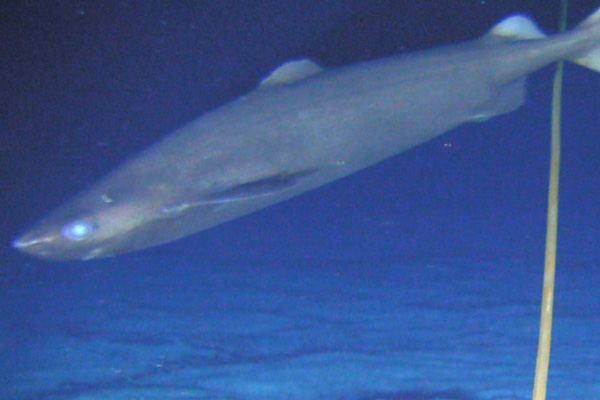

At the surface, the southwest Indian Ocean can look like an expanse of blue. Far below it, researchers have found a world that is still only partly visible to science. A three-week expedition by the research vessel Dr. Fridtjof Nansen has added rare footage to that record, including the first video of a live dark-mouth chimaera, a deep-sea fish previously known from only two dead specimens.
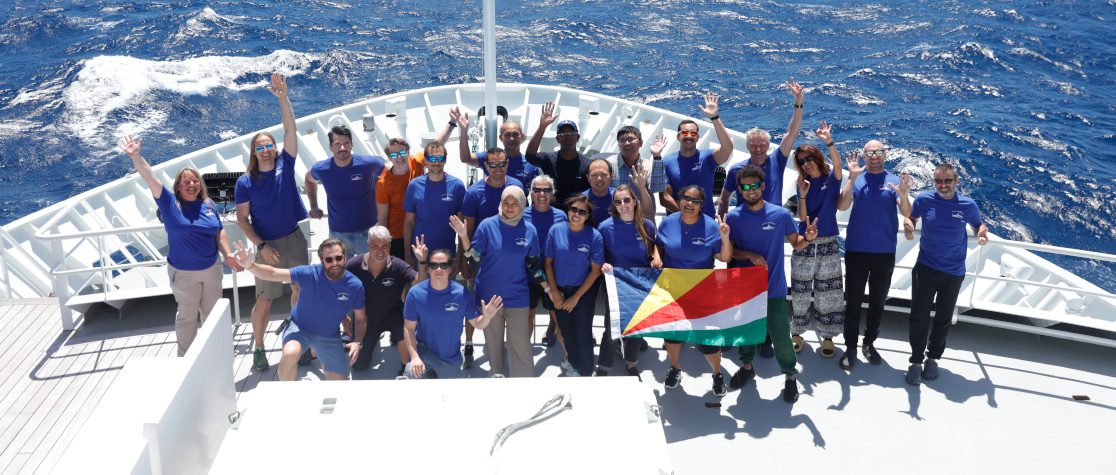
The expedition involved 20 scientists from 11 countries and was coordinated through the FAO’s Common Oceans and EAF-Nansen programmes with the Institute of Marine Research and regional partners. The crew used baited cameras on the seafloor, acoustic mapping and environmental DNA sampling. Those methods let researchers observe animals in their habitat and identify traces of species in water without having to capture them.
Seeing what a net cannot tell you
The researchers also filmed lantern sharks swimming in the deep for the first time and recorded vulnerable gulper sharks listed under CITES. The expedition collected genetic material floating in the water, known as environmental DNA, to help establish which species were present across the study area. It trialled an identification key intended to help observers distinguish sharks more accurately.
Each technique answers a different question. Cameras show behaviour and habitat, acoustic instruments help map the contours of the seafloor, and DNA adds clues about species presence. The tools together produce a richer baseline than isolated catches can provide. A first video does not mean the species has just appeared. It means scientists have captured a rare view of an animal that was already there, out of sight.
Mountains beneath the waves
Over roughly 3,400 nautical miles, the team mapped remote seamounts south of Madagascar, charting ridges and slopes from shallow water to depths beyond a kilometre. It found patches of fragile coral and sponge that could be damaged by bottom-contact fishing gear. Researchers also described coral reefs growing on the slopes of an underwater volcanic seamount about 30 metres below the surface, a surprising habitat in the middle of the open ocean.
These findings have practical value beyond the drama of an unfamiliar animal on camera. International waters need data if governments and regional fisheries bodies are to decide where fishing is sustainable and where vulnerable habitats need protection. The cruise took place as a new biodiversity framework for areas beyond national jurisdiction entered into force. The images make a hidden ecosystem visible; the maps and samples are what can help keep it from being damaged before it is understood.
Sources
Image credits
Cover image: FAO/Anthony Thompson. In-article image: FAO/Anthony Thompson.
The conversation
0 comments
Join the discussion with a thoughtful response.