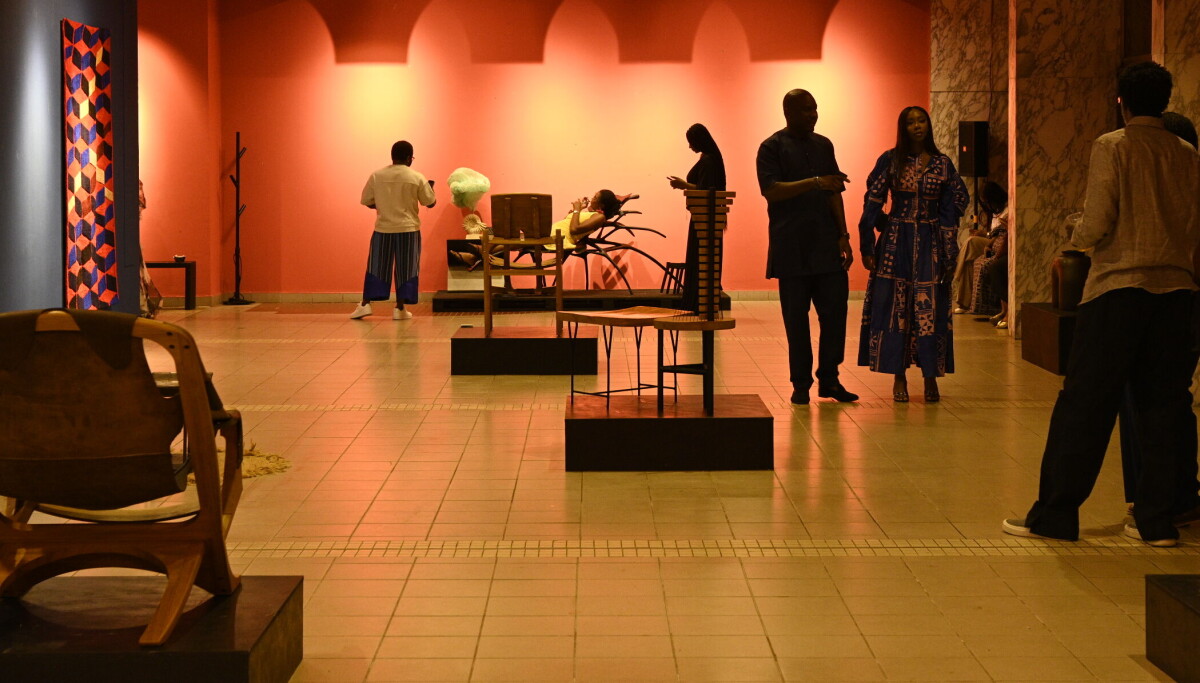

Design Week Lagos is gathering designers, manufacturers, students and the public at the National Theatre this week. The 2026 festival runs October 18 to 25 under the theme “Making a New Africa.” Its schedule gives the familiar language of creativity a practical test: can ideas seen in a gallery become products, jobs, useful public spaces and durable businesses?
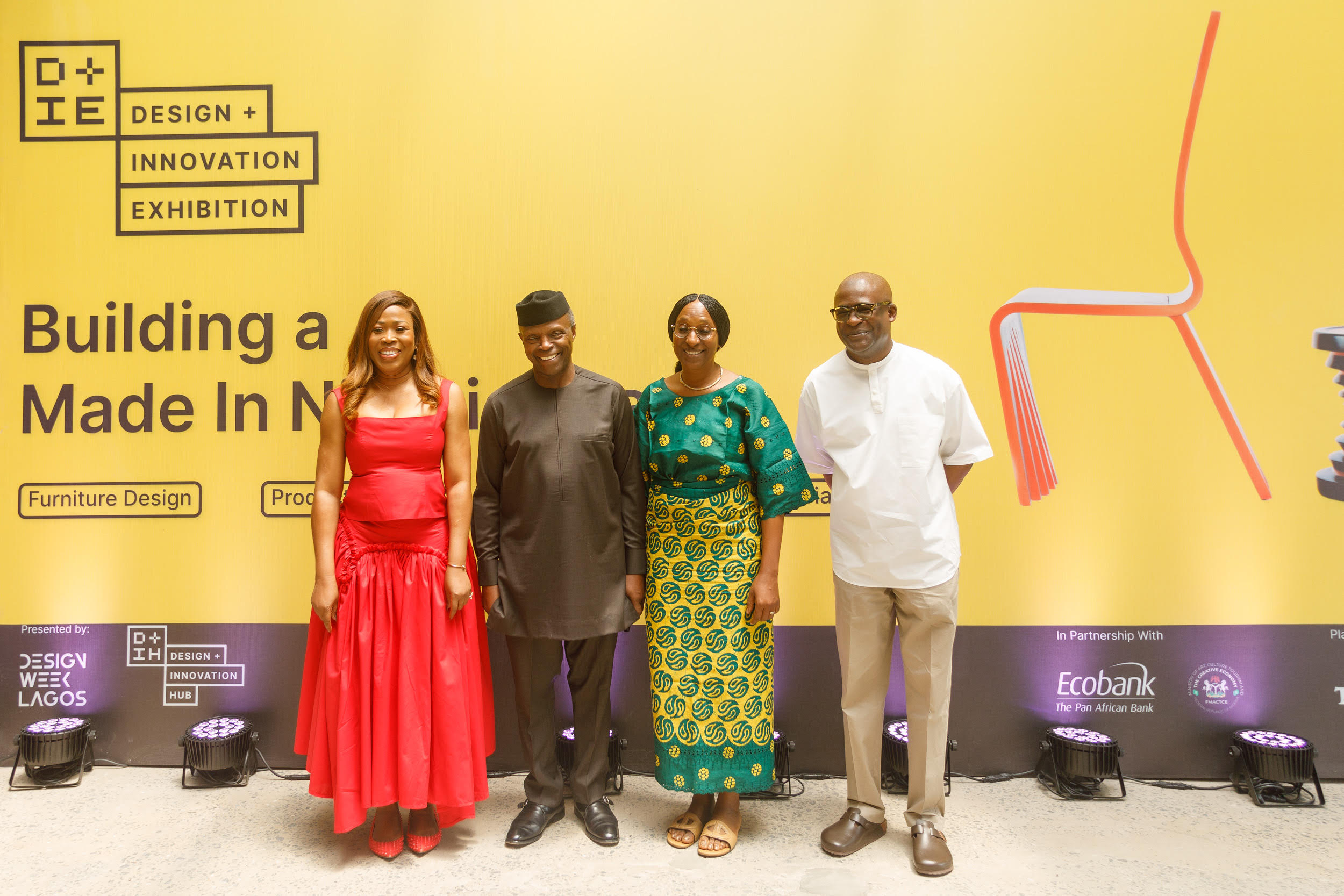
The National Theatre’s event listing identifies exhibitions, workshops, seminars and awards. From October 22, the programme includes the Made by Design exhibition and Design and Innovation exhibition, alongside talks on industrialisation, small businesses, architecture, product design and global markets. Those topics are connected. A designer can make a compelling chair or lighting piece, but the route from a prototype to reliable local production involves materials, finance, manufacturing capacity and distribution.
Why the National Theatre matters
The choice of venue carries its own message. The National Theatre was built as a major home for Nigerian performance and public culture. Bringing a design festival into that space links contemporary product and industrial design to a longer story of how Nigerians represent themselves. It also places design before people who might not usually visit a specialist gallery.
The festival describes itself as a pan-African platform, but its roots are visibly local. Designers work with materials, skills and forms that have specific histories in Nigeria. Craft is not a decorative afterthought in this conversation. It can be a source of technical knowledge, employment and a distinct visual language, provided the people who hold that knowledge are paid fairly and credited.
Turning creative energy into a working sector
Events can inspire, connect and open a door, but they cannot by themselves resolve the industrial problems that designers face. Local manufacturers need steady demand and access to equipment. Small studios need financing that understands product cycles. Buyers need dependable quality and after-sales service. Training has to connect design schools with workshops, factories and the people who will distribute finished work.
That is why talks on industrialisation and small businesses matter alongside the exhibitions. The best outcome would be relationships that continue after the programme: a designer finds a production partner, a workshop learns a new technique, or a retailer agrees to test a local product. The value of a festival is measured in what it helps people do next.
Visitors will see furniture, objects and ideas, but should look beyond the finished surface. Ask who made the work, where its materials came from and what it would take to produce it at scale. Those questions turn design from a display into a conversation about livelihoods and the future of African industry.
Sources
- Design Week Lagos 2026 theme, dates and location
- National Theatre event schedule
- OkayAfrica’s 2025 exhibition coverage
Image credits
Cover image: OkayAfrica, archival photograph from Design Week Lagos 2025. In-article image: Business Post Nigeria, archival photograph from the Design and Innovation Exhibition.
The conversation
0 comments
Join the discussion with a thoughtful response.