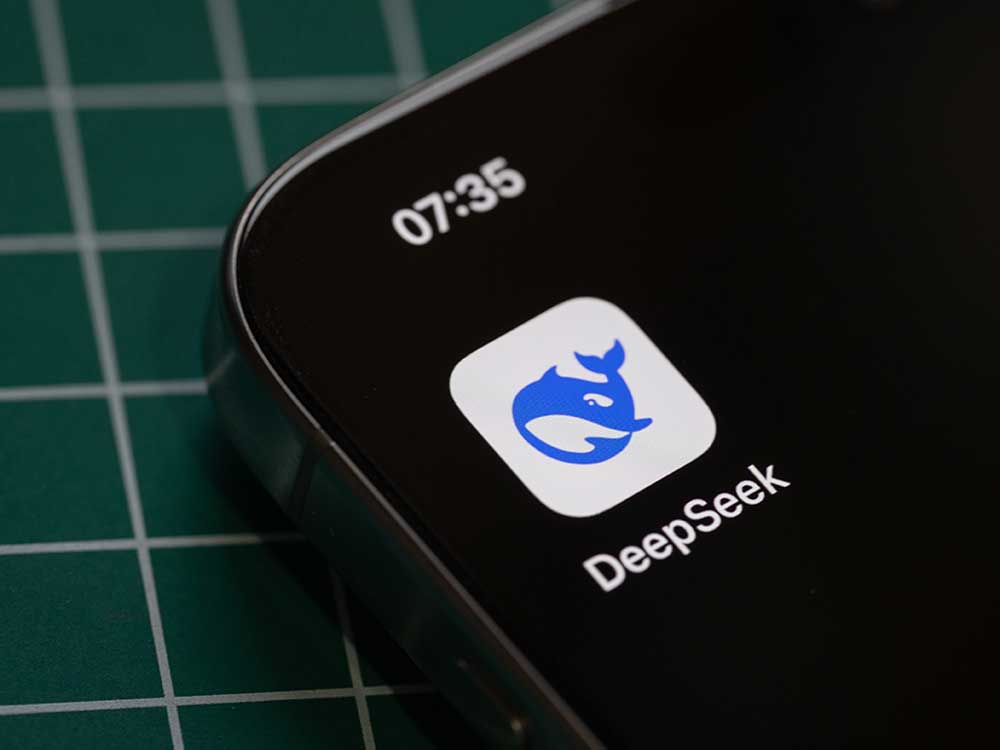

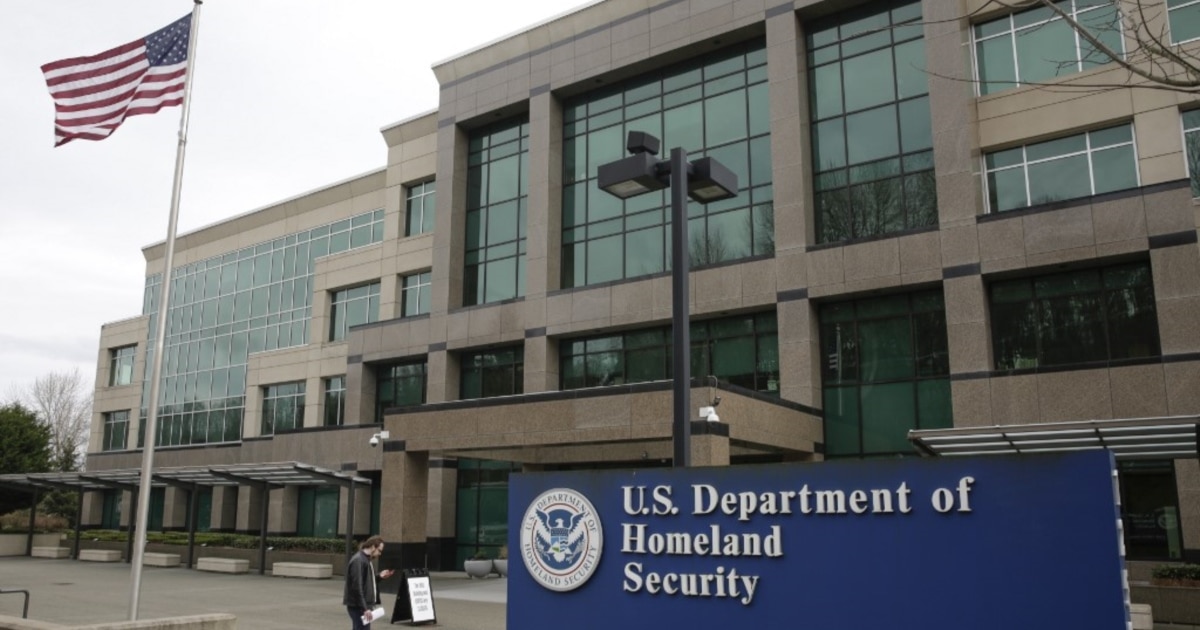
US federal civilian agencies have been directed to remove DeepSeek products from their information systems and stop procuring them. A Department of Homeland Security notice made public on October 19 disclosed an order that dates to late July. China criticised the move on October 20, describing it as a step in the wider competition between the two countries over artificial intelligence.
The order is broader than a single app. According to the notice described by the Associated Press, agencies must remove DeepSeek and affiliate products, as well as third-party products and services developed using DeepSeek implementations. That language is likely to create practical questions for technology teams trying to determine which software falls within the restriction.
Why the rule reaches beyond direct use
Government agencies increasingly buy software that is bundled, hosted or connected to services from other companies. An agency might not install DeepSeek’s chatbot itself, yet a vendor could use DeepSeek models as part of a larger service. The order’s reference to third-party products signals that agencies may need to ask suppliers what models sit behind the tools they provide.
That can be difficult to answer. The Register’s review of the order notes that the phrase “developed using” leaves room for interpretation. It may refer to products that keep calling DeepSeek through an API, but the public wording could also be read to cover software that was merely built with the assistance of the model. Procurement staff and vendors will need clear guidance before they can apply the rule consistently.
A government restriction, not a nationwide consumer ban
The reported measure applies to federal civilian agencies and their technology procurement. It does not by itself prohibit private Americans, companies or universities from using DeepSeek. The Pentagon has maintained separate restrictions on technology used in defense systems. Keeping that boundary clear matters, because a government security decision can quickly be misreported as a general prohibition.
Officials have raised security and data-handling concerns about DeepSeek products. The public debate is also tied to the strategic rivalry between Washington and Beijing, where questions of data, national security and industrial competition overlap. Beijing objected to the decision, while US agencies have framed restrictions on foreign technology as a way to manage risk within government networks.
The immediate work is operational: agencies and suppliers must identify affected tools, check where data flows, and determine how replacements will function. A restriction that names one product is straightforward. A rule that may reach software built on top of it demands careful inventory and a clear definition. The way that definition is applied could shape how government agencies evaluate AI services long after this particular dispute fades from the headlines.
Sources
- Associated Press report on the order and China’s response
- The Register’s analysis of third-party scope
- Federal Register notice
Image credits
Cover image: The Tyee, archival photograph of the DeepSeek app. In-article image: Radio Free Europe/Radio Liberty, file photograph.
The conversation
0 comments
Join the discussion with a thoughtful response.