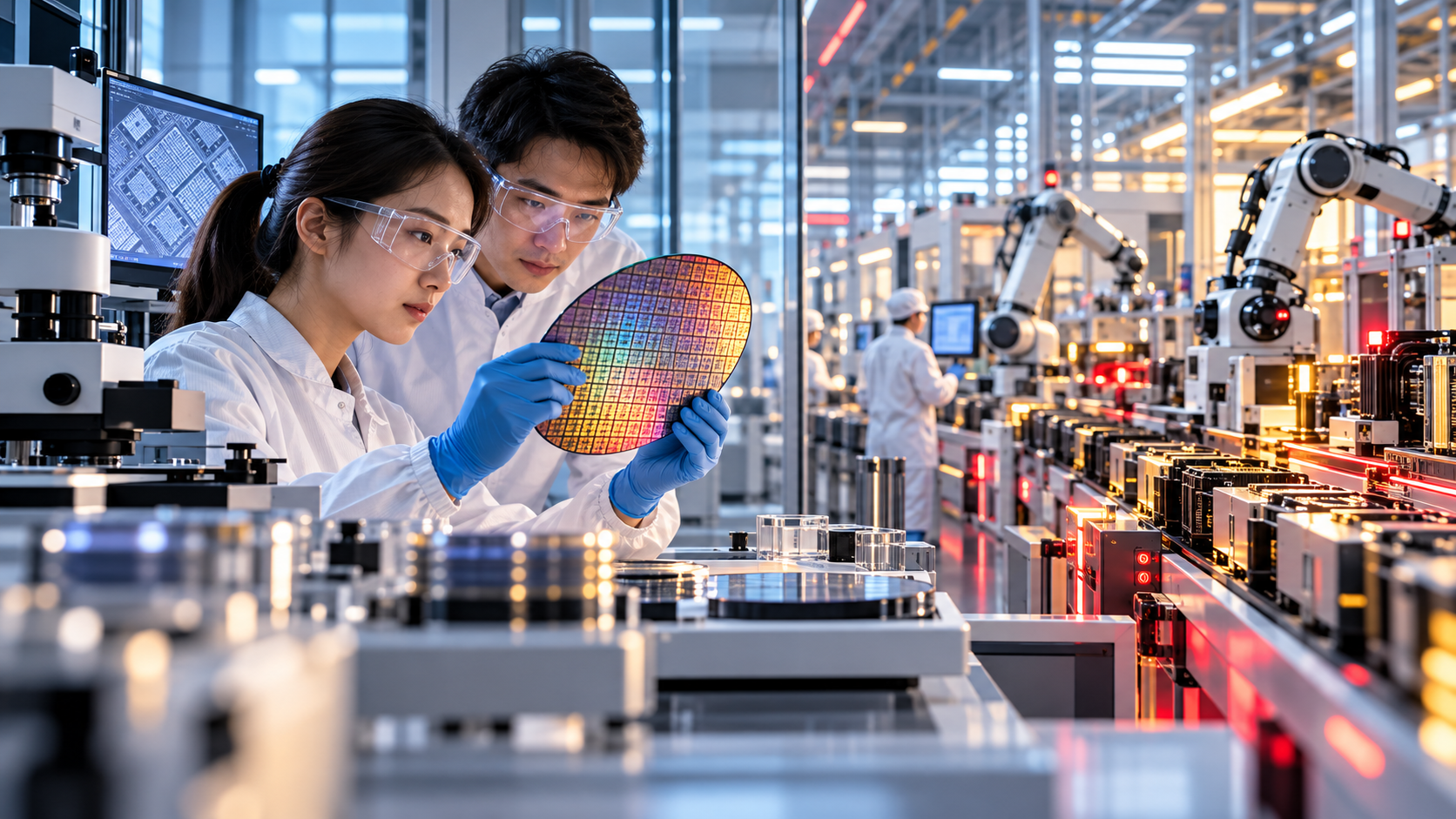

A new China innovation policy aims to shorten the distance between laboratory discoveries and factory production, asking research, industry and finance to work as parts of one system. The policy, dated October 21 and reported the following day, is set out in an official government summary and the full opinion is published by the Ministry of Science and Technology.
The General Offices of the Communist Party of China Central Committee and the State Council frame the move as a way to build technological self-reliance and a more modern industrial system. Its practical test is more down to earth: whether a promising result can move from a university or research institute into a product that firms can make, sell and improve.
A policy for the gap between research and production
The opinion calls for an “enterprise-led, multi-stakeholder” model, with companies, universities, research institutes and other partners working across the innovation chain. It names six areas for action: connect research and industrial chains more closely; supply high-quality scientific results to a modern industrial system; strengthen collaboration led by enterprises; coordinate innovation resources; improve the wider innovation ecosystem; and open more space for research-industry integration.
That design places commercial use closer to the beginning of the research process. The government’s summary says scientific work should take an application-oriented approach, while industrial development should identify its own research needs. In theory, factories and firms can surface problems that researchers can work on, and scientific advances can then be adapted for industrial use. The policy is a directional framework; it is not evidence that every institution has already changed how it funds, chooses or evaluates projects.
The company is meant to become a stronger participant
The official summary gives enterprise innovation a central place. It calls for improving companies’ ability to innovate, accelerating the development of technology firms and building stronger links among different innovators. It also points to better coordination among science, industry and finance, along with joint development and use of talent and integrated innovation platforms.
For policymakers, the shift is meant to address a familiar weakness in industrial strategy: a research result can be technically sound yet remain too costly, difficult to scale or poorly matched to customer demand. For companies, closer links to researchers may help them shape projects around real production needs. For universities, however, more emphasis on application can raise questions about how basic research is protected and how success is measured. Those are implementation questions, not outcomes the October directive has settled.
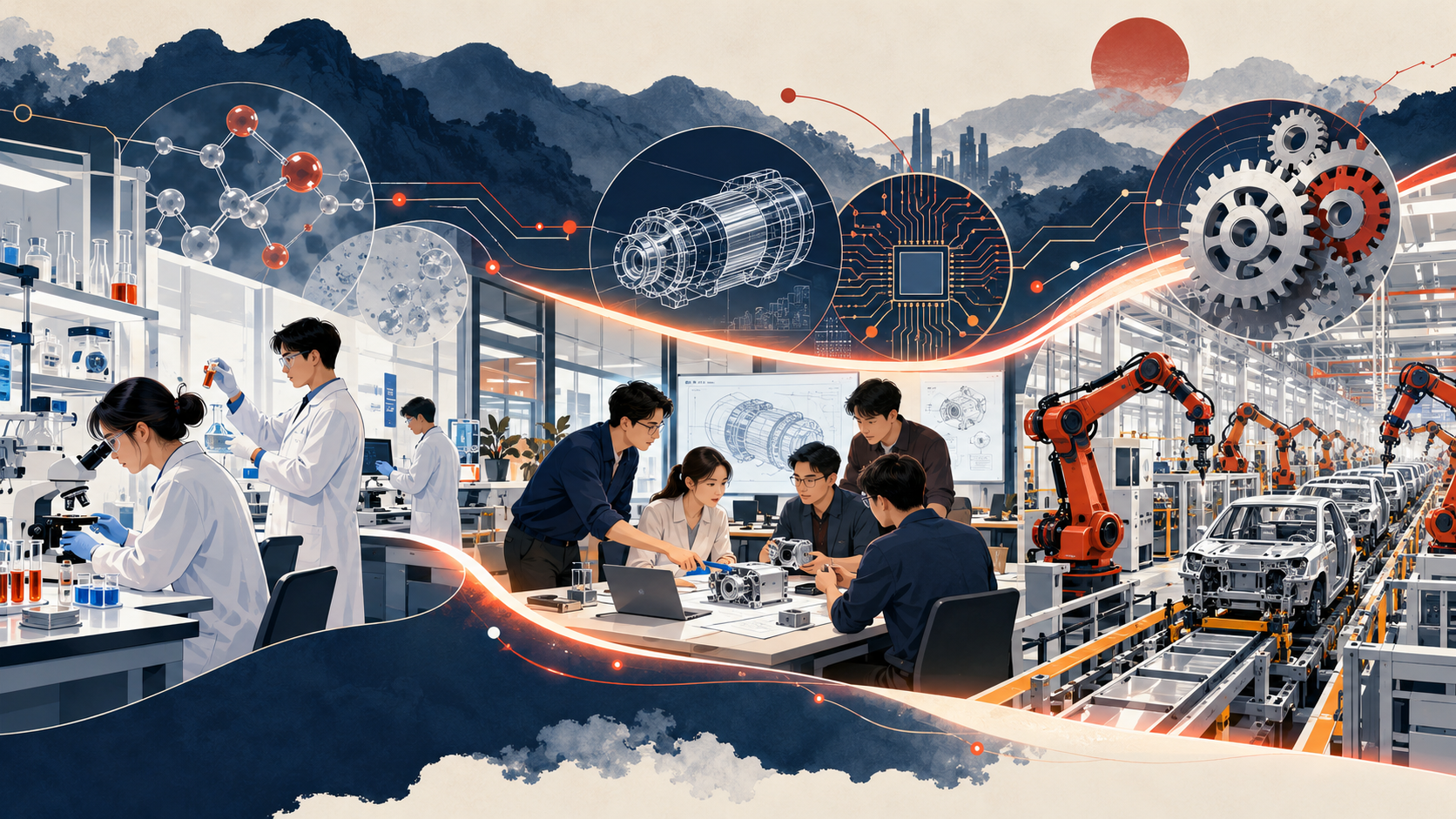
Why the directive matters beyond China’s labs
China is asking its institutions to make research serve industrial upgrading more directly. That matters to overseas suppliers, investors and competitors because policy choices in a major manufacturing economy can influence where companies look for technology, partners and production capacity. The directive also fits a broader campaign to strengthen domestic capabilities in strategic technologies and reduce dependence on external supply chains.
The timing is notable: on October 9, Beijing issued a separate set of guidelines on developing “new quality productive forces,” which also highlighted technology, industry and self-reliance. The two documents are related signals, but they are not the same policy. The newer opinion focuses specifically on connecting scientific and technological innovation with industrial innovation.
For other economies, the policy is a reminder that research strength alone does not guarantee a competitive industrial base. The ability to move ideas into production depends on skills, capital, demand, supply chains and predictable rules. China’s framework is designed to align those pieces more closely; whether it does so efficiently will depend on the choices made by institutions and firms.
What the announcement does not establish
The release does not report a new funding total, identify specific companies that will benefit or quantify the productivity gains Beijing expects. It also does not demonstrate that research-to-market delays have already narrowed. A policy document can set priorities and responsibilities; evidence of results will have to come later through implementation, investment and measurable industrial outcomes.
There is also a balance to manage. A stronger commercial role can help research respond to practical needs, but not every important discovery has an immediate market. If institutions reward only near-term application, longer-horizon work could be squeezed. The document’s stated ambition is integration across the chain; the real test is whether that connection expands industrial use without narrowing the range of research worth doing.
The next test is implementation
Watch for follow-on measures from ministries, local governments, research institutions and state-linked companies: how they translate the broad principles into funding rules, joint projects, talent systems and industrial partnerships. The Ministry of Science and Technology says the policy is meant to speed the application of scientific achievements and improve coordination of resources. The important evidence will be concrete programmes and results, not another round of strategic language.
[…] business and industrial production more closely. ASTRA has also reported on Beijing’s new research-to-industry policy. Taken together, the two developments show how the Chinese government is describing cooperation […]