
Nigeria borrowing plan: The 2026 external finance request has reopened a defining public question: can the investments deliver enough value to justify tomorrow’s repayment?
ASTRA Planet | Sunday, 1 November 2026
Nigeria’s argument over public borrowing has moved from a familiar slogan to a concrete test. President Bola Tinubu is seeking legislative approval for a supplementary external borrowing plan worth $20.52 billion and €1.045 billion for 2026–27. Days after that request surfaced, former president Olusegun Obasanjo warned that debt can burden generations. The exchange has become a debate about what Nigeria borrows for, what the projects deliver, and how citizens can judge the bill.
A plan, not yet a loan disbursement
The headline figures describe a request for National Assembly approval to process borrowing under a supplementary plan. They do not, on their own, mean the full sum has been approved, contracted, drawn down or spent. Those are distinct stages. The request was reported in a letter conveyed to lawmakers, while the government says the financing is intended for projects and programmes across sectors. Parliamentary scrutiny should make the proposed projects, terms, repayment schedule and implementation timetable clear before the figures are treated as money already in government accounts.
That distinction matters because a large headline number can flatten very different questions into one. A loan for a productive power, transport or water project has a different economic case from borrowing that merely covers recurring expenditure. Even a sound project can become poor value if procurement is opaque, delivery is delayed, or the project does not generate the economic and social returns used to justify its cost.
Why Obasanjo’s warning landed now
Obasanjo’s criticism, delivered at a public forum in Abeokuta, challenged the administration’s defence of borrowing as a tool for development. His sharp comparison made the argument instantly memorable, but the policy question underneath it is less theatrical: how much future revenue will be committed to servicing today’s liabilities, and what public value will Nigerians receive in return?
The former president’s words are a political intervention, not a debt audit. The official debt picture must be read from the Debt Management Office, with the reporting date and coverage attached. Nigeria’s published total public debt includes federal and subnational government debt; it should not be confused with federal-only obligations or with a new borrowing request. Careful comparisons need the same currency, exchange-rate basis and reporting period.
The government’s case faces a delivery test
The administration’s strongest argument is that countries cannot build infrastructure at the scale required solely from current revenues. Borrowing can spread the cost of long-lived assets across the generations that use them. But that case depends on disciplined project selection and transparent accounting. Lawmakers and the public should be able to trace each proposed facility to a named project, an implementing agency, expected completion dates, procurement records and measurable outcomes.
For a road, that means more than kilometres announced: it means the route, contract value, construction milestones, maintenance plan and the communities that gain access. For power, it means megawatts delivered reliably, not merely installed capacity. For social programmes, it means independently verifiable beneficiaries and results. These details make it possible to compare the cost of borrowing with the benefit it is meant to produce.
What Nigerians should watch next
The National Assembly’s review is the immediate accountability checkpoint. Citizens should look for the full project schedule, the financing mix, interest and grace periods, currency exposure, repayment dates and safeguards against duplicate or abandoned projects. The government should publish regular drawdown and implementation updates, while auditors should report whether money follows approved purposes.
Currency risk deserves particular attention. External debt is generally repaid in foreign currency, while many public revenues are collected in naira. If the naira weakens, the local-currency cost of servicing a dollar or euro obligation rises. That does not make foreign borrowing automatically unwise, but it raises the bar for projects that earn foreign exchange or produce broad economic returns.
There is also a generational dimension. Young Nigerians inherit both assets and liabilities. If borrowing creates durable infrastructure, better services and higher productivity, future taxpayers may inherit value alongside the repayment obligation. If projects fail or disappear into cost overruns, they inherit the debt without the promised return. The relevant test is therefore not simply “borrow” or “do not borrow.” It is whether the terms, oversight and results justify asking the future to pay.
The question beyond the slogan
Obasanjo’s warning and Tinubu’s defence frame opposite instincts about debt. Neither slogan resolves the choice before lawmakers. The evidence that will matter is the project-by-project case, the total cost of financing, the public record of delivery and the government’s ability to service obligations without squeezing essential services. Nigeria’s borrowing debate will be decided less by its most striking line than by whether the promised assets arrive, work and last.
Sources: Premium Times, 31 October 2026; TheCable, 31 October 2026; Punch, 30 October 2026; Nigeria Debt Management Office.
Editor’s note: The external borrowing figures above are a request for legislative approval reported by multiple Nigerian news organisations. This article distinguishes the request from approval, borrowing and disbursement.
Nigeria borrowing plan: the accountability test
Approval should be followed by public reporting that lets citizens track each project, the amount drawn, the contractor, deadlines, costs and results. Read ASTRA Planet’s guide to Nigeria’s 2027 election calendar for the wider political context. A transparent borrowing plan must show both the asset being built and the full cost of financing it.
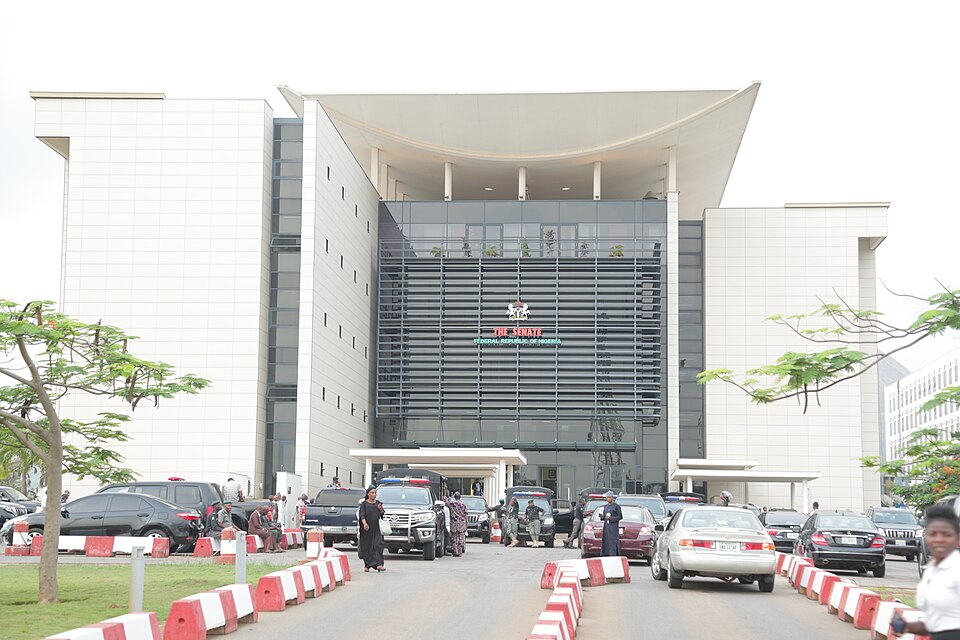
A credible Nigeria borrowing plan should disclose each project, its financing terms, implementation milestones and results. If lawmakers approve the request, the Nigeria borrowing plan should be reported separately at every stage: approval, contracting, drawdown and delivery. The public can then judge the Nigeria borrowing plan against what was promised, what was spent and what people actually received.
The conversation
0 comments
Join the discussion with a thoughtful response.