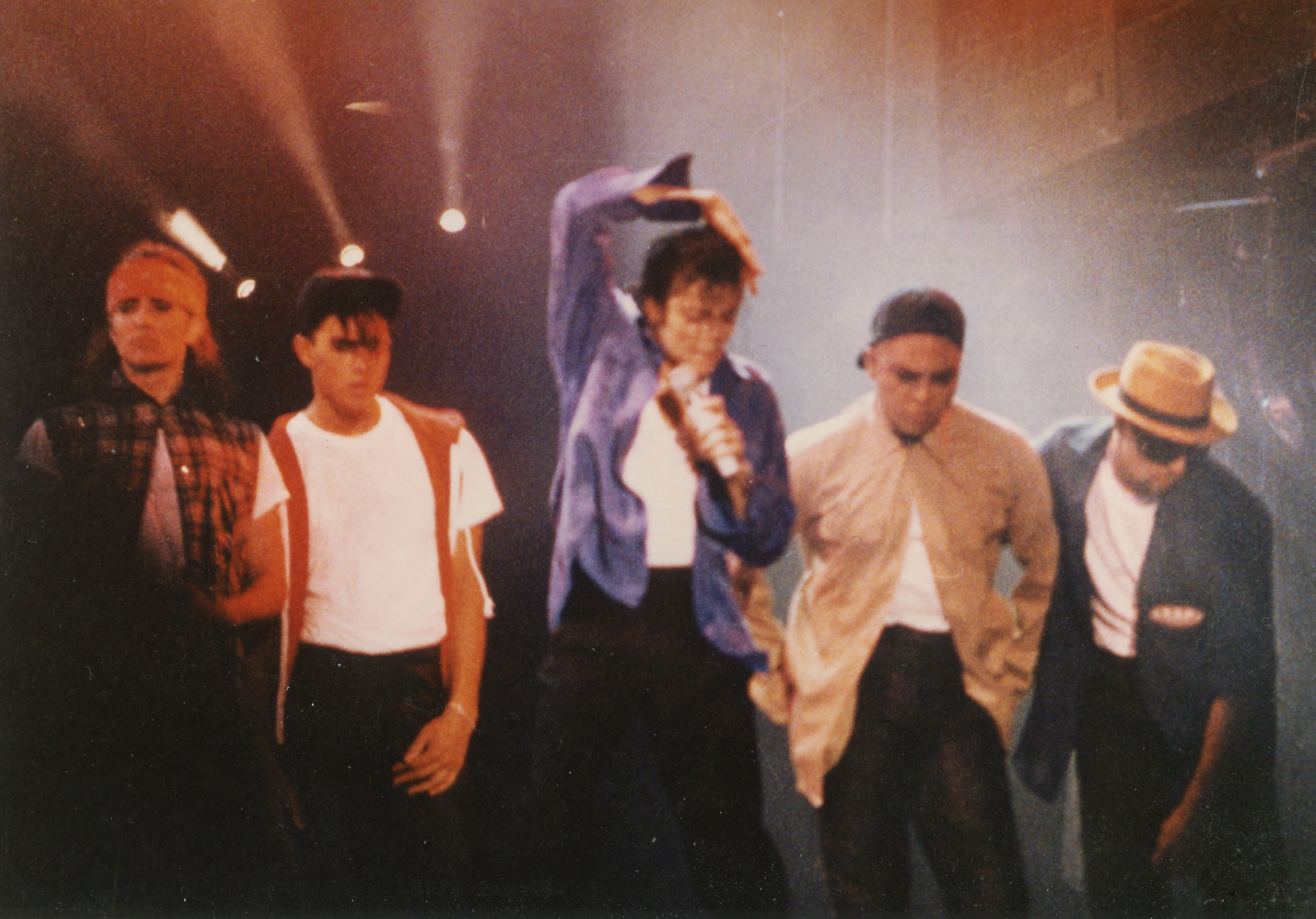

Michael is less a complete life story than a high-voltage first chapter, and the story of how it reached cinemas is almost as revealing as the film itself. Released in April 2026, Antoine Fuqua’s biopic follows Michael Jackson from the Jackson 5 years toward the height of the Bad era, with Jaafar Jackson playing his uncle. The film’s concert sequences deliver the spectacle audiences expect; the production history shows how legal limits, estate involvement and costly additional photography reshaped the story.
How the production changed direction
TheWrap’s production account describes a project that began filming in 2024 and was later reworked after the Jackson estate and filmmakers identified a legal restriction affecting material about one of the singer’s accusers. The team removed the planned third-act material and returned for 22 days of additional photography. The Washington Post reported that Lionsgate confirmed substantial footage had to be cut because of a settlement restriction; the estate paid for the reshoots.
The result is a film that steers toward the music, the family dynamic and Jackson’s rise, rather than attempting to account for every chapter of his public life. That choice creates a coherent dramatic boundary, but it also creates a critical limitation. Viewers looking for a comprehensive biography will not find one here. The film ends before some of the most contested and consequential later periods, and the estate’s involvement has inevitably shaped questions about which parts of the story receive attention.
Jaafar Jackson and the spectacle of performance
Jaafar Jackson’s casting is the film’s central performance gamble. He is not simply asked to resemble a famous relative; he must recreate a particular physical vocabulary—movement, stillness, breath and the difference between private reserve and public command. The concert sequences benefit from that focus. They understand that a musical biopic lives or dies not only by its chronology but by whether the screen can make a familiar performance feel present again.
That spectacle is also where the film is most comfortable. In its strongest passages, rehearsal, costume, lighting and movement combine into a convincing sense of an artist building a stage persona. In its weakest, the smooth momentum leaves too little space for uncertainty. The film’s family drama, especially the pressure between Michael and his father Joe, carries more of the narrative weight than a broad account of the singer’s life can reasonably bear. The result is watchable, often impressive, and openly incomplete.
Reception, controversy and the sequel question
The production’s legal turn was widely discussed before release, and the film’s authorized access to the Jackson estate sits at the centre of that debate. The Associated Press reported that Michael opened to a record $97 million in North American theatres for a music biopic despite weak critical reviews. Box office success measures demand, not historical completeness. The two are often treated as the same thing by studios; they are not.
Variety reported in August that Lionsgate was developing a follow-up and hoped to start production late in 2026 or early in 2027. That is a studio plan, not a guaranteed production date. A sequel could give the story more room, but it would also inherit the same challenge: how to make an authorized portrait feel dramatically alive while confronting the limits imposed on what can be shown.
Michael works best when judged as a musical drama about ascent, image-making and performance—not as a final account of Michael Jackson. Its filmmaking is polished and its central performance carries energy; its omissions are not peripheral footnotes but part of the film’s structure. The audience can enjoy the spectacle and still ask who controls the story. Those two reactions are not contradictory.
Sources: TheWrap: how “Michael” was made; The Washington Post: the film’s production changes; Associated Press: opening weekend; Variety: reported sequel plans. See also our Spider-Man: Brand New Day review.