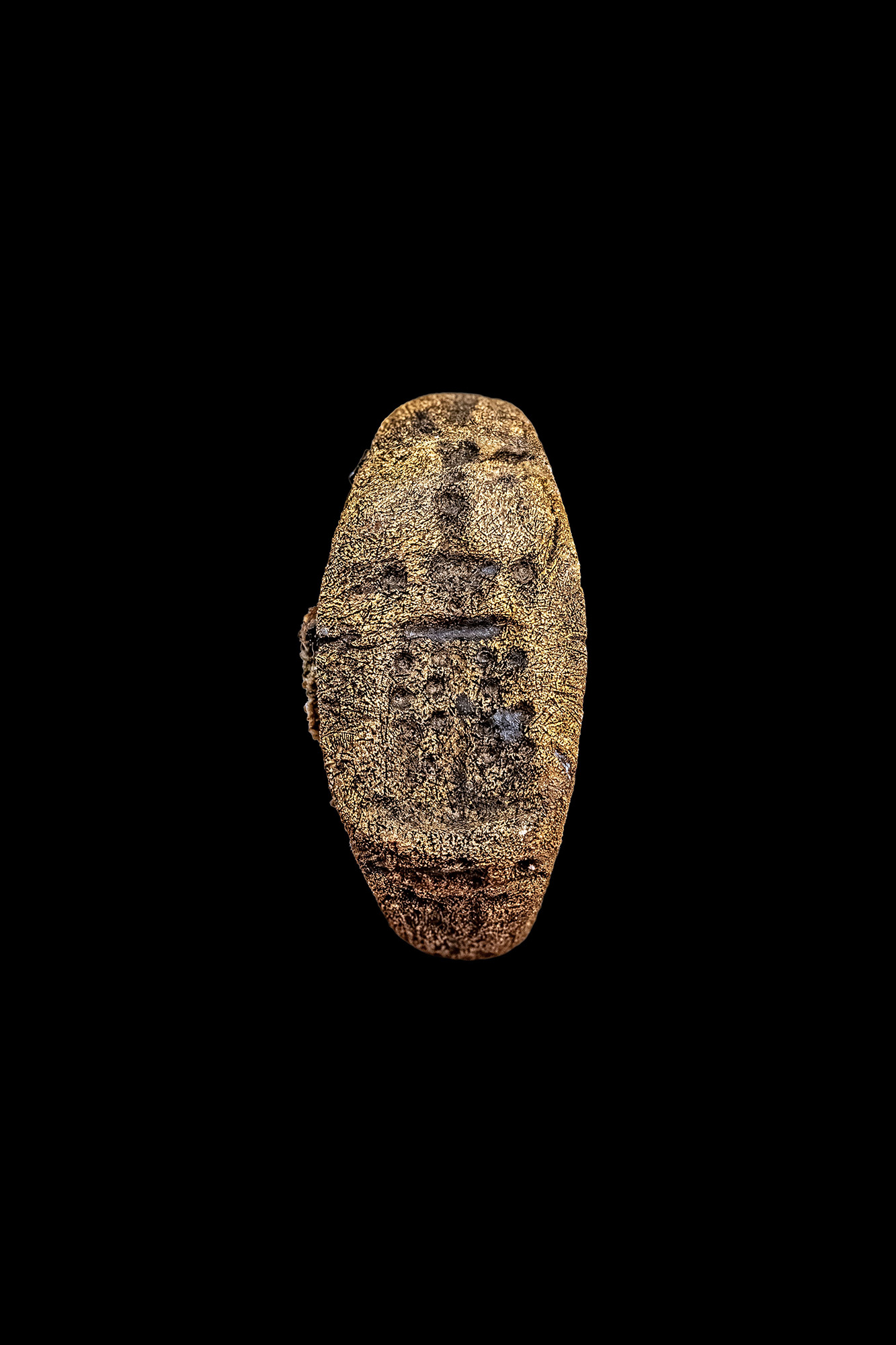

The Lighthouse of Alexandria was once a working landmark, a feat of engineering and a symbol a visitor could recognize from far beyond the harbour. Now a small bronze ring recovered underwater has brought that great structure back into view at a human scale. Researchers working at the submerged remains of Antirhodos, an island in Alexandria’s ancient port, say the signet ring bears an image that likely represents the lighthouse.
The find comes from the remains of a palace used during the Ptolemaic period, when Egypt was ruled by the dynasty descended from one of Alexander the Great’s generals. Archaeologists reported that this is the first known signet ring found with an image of the lighthouse. Its engraving is worn, so the identification rests on comparison with familiar representations on ancient coins and on the building’s distinctive profile.
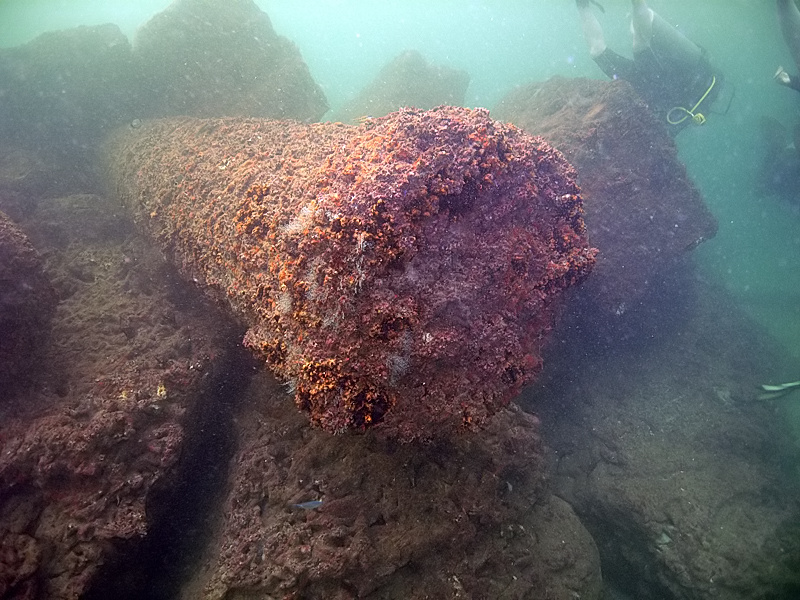
A miniature image with a large setting
The ring was recovered from a landscape shaped by earthquakes, coastal change and centuries of human activity. The Lighthouse stood on the island of Pharos from about 280 BCE and rose more than 100 metres, according to the reporting on the discovery. Earthquakes and erosion eventually damaged the structure, and parts of the old city sank below the waterline. The seabed now preserves layers of architectural remains that are difficult to read without careful mapping and excavation.
A signet ring was more than decoration. Such rings could press an image into soft clay or wax, marking documents or goods with the wearer’s identity. The lighthouse motif may therefore have functioned as a civic emblem or a sign of a connection to Alexandria. Researchers have not established who owned this ring or what it was used to seal. The object gives a glimpse into the visual language of the city, not a biography of its wearer.
What the ring can and cannot say
Art historians consulted about the discovery said the engraving plausibly depicts the lighthouse, while cautioning that a worn carving cannot answer every question on its own. Similar images on coins provide a useful comparison, but they do not identify the ring’s owner or date it precisely. Those questions must be weighed against the archaeological context in which the ring was found.
The appeal of the discovery lies in its scale. The ancient wonder is usually described in numbers, including its height and its reputation among the celebrated monuments of the classical world. This ring makes the story smaller and more personal. Somewhere in a palace office, a merchant’s room or a civic space, a person may have carried this image close at hand. The object was lost, the palace went underwater, and the lighthouse disappeared. The sea has now returned one more piece of the city’s memory.
Sources
Image credits
Cover image: Christoph Gerigk, Franck Goddio and the Hilti Foundation, as published by Live Science. In-article image: Roland Unger, CC BY-SA 3.0, via Wikimedia Commons.
The conversation
0 comments
Join the discussion with a thoughtful response.