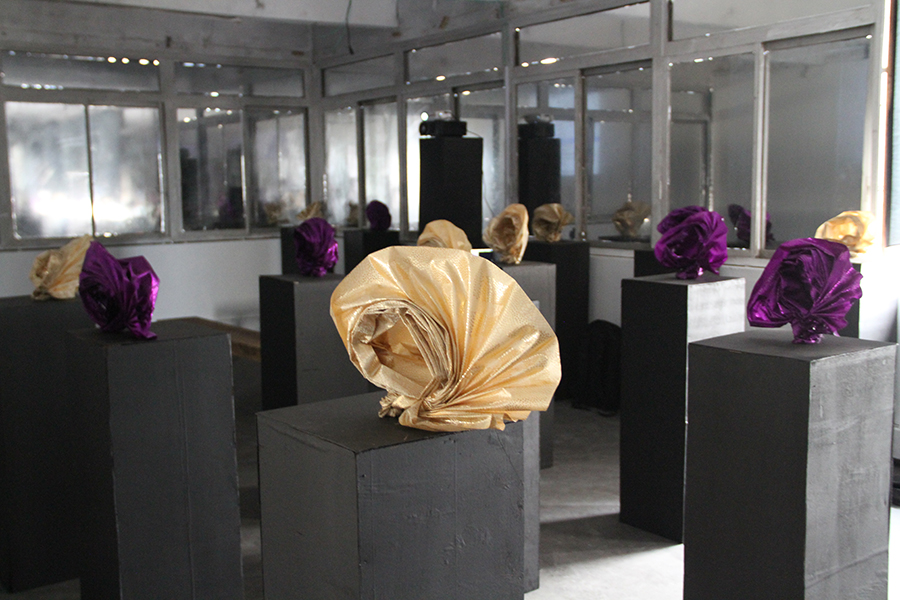

The fifth Lagos Biennial opened on October 17 under the title “The Museum of Things Unseen.” Its programme is scheduled to run through December 18. The title is a provocation about what museums and cultural institutions choose to preserve, what they overlook, and how an artwork can make an absent story visible without pretending to settle it.
The Biennial’s curatorial announcement describes a project shaped by rarely or never before seen works and by the unequal forces that influence circulation and recognition. That idea matters in Lagos, where artists work across busy informal networks, independent spaces and international markets, yet not every practice enters the same archives. A museum can protect memory, but its collecting decisions also help determine which histories become legible to future generations.
Not everything unseen is unknown
The phrase “things unseen” can sound mystical, but the Biennial’s concern is also concrete. Some works are unseen because they are held in private collections, excluded from official canons or difficult to access. Others are made in communities that have not had the resources to preserve them. An exhibition can create an encounter with this material, but it must also give context: who made it, how it was cared for and why it has remained outside the public record.
That context is especially important when curators bring work into conversation across time and geography. Visibility can be a form of recognition, yet it can also expose artists to institutions and markets that may take more than they return. A thoughtful exhibition should make space for the conditions of production and the people who have sustained a practice, not simply turn the work into an attractive object for visitors.
Lagos as both setting and subject
The Biennial has often made the city part of the exhibition. Its earlier editions activated unusual buildings and public sites, asking viewers to consider how a place carries memories of work, commerce, faith and political change. This year’s title offers another lens: a museum is not only a building but a system for deciding what deserves attention.
The question is not whether institutions should disappear. It is whether their methods can become more accountable and more open to knowledge that does not arrive through established channels. Artists, communities, archivists and audiences all have a role in that work. The Biennial can stage the conversation, but it cannot claim to finish it.
For visitors, the most rewarding approach may be to spend time with each work before reaching for a neat interpretation. Notice the material, the scale and what is missing from the frame. Then look for the story attached to it. In a city where memory is constantly being remade, paying attention can itself become an act of preservation.
Sources
- Lagos Biennial curatorial announcement
- 2026 prospectus and exhibition dates
- Artnet’s report on a 2024 installation
Image credits
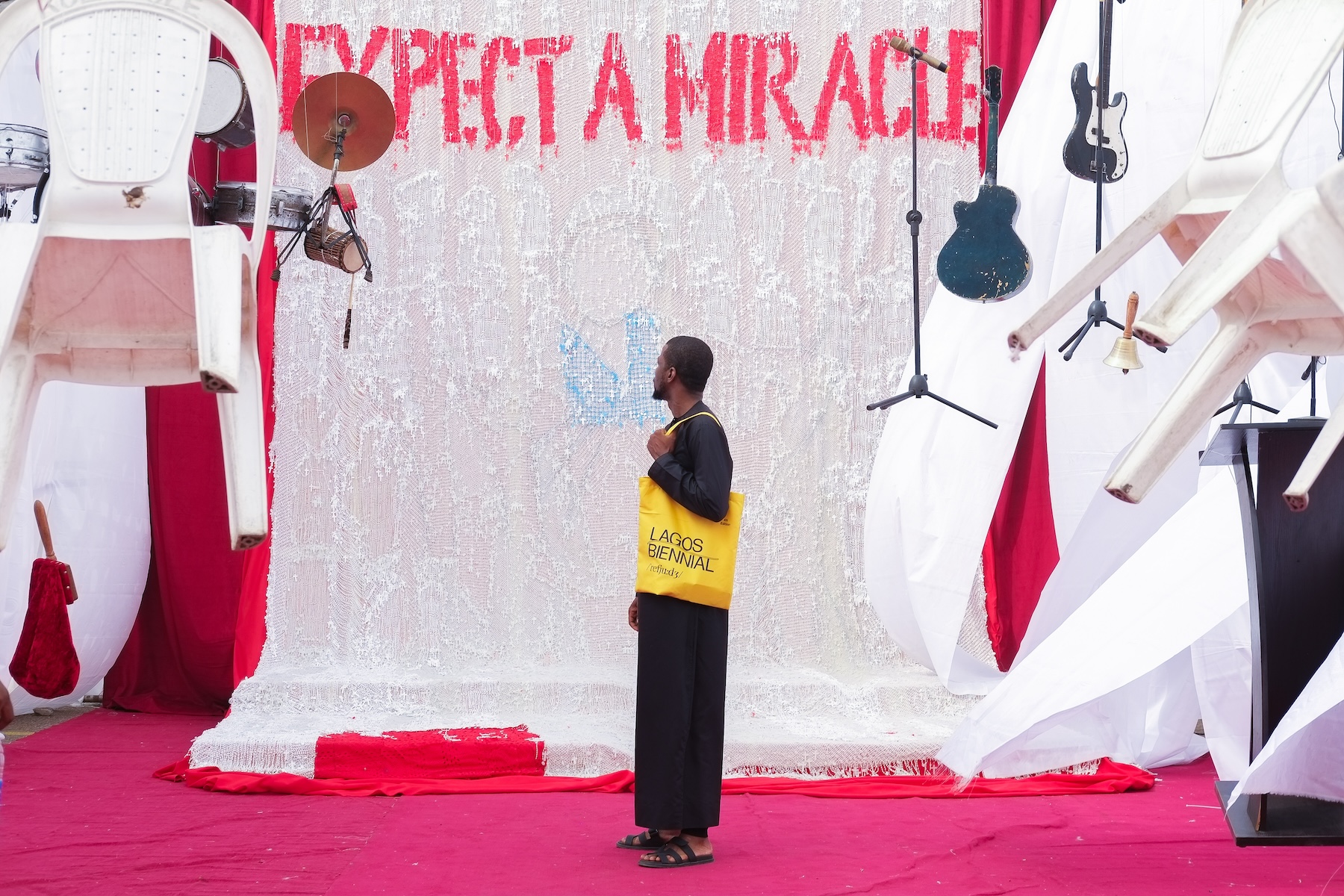
Cover image: Frieze, archival image from the Second Lagos Biennial. In-article image: Victor Ehikhamenor and Lagos Biennial, installation photograph courtesy of the Biennial, 2024.
The conversation
0 comments
Join the discussion with a thoughtful response.