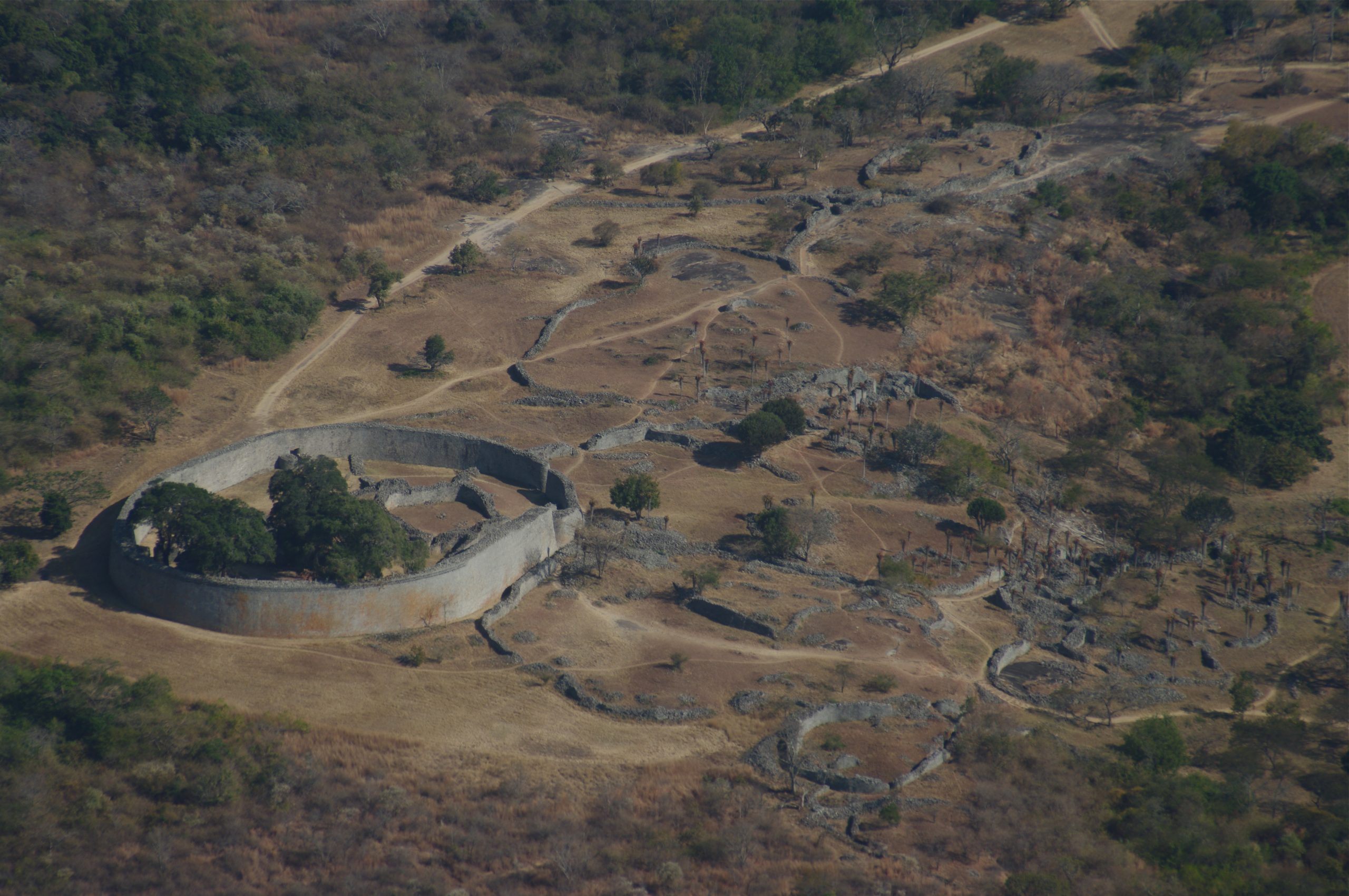

At Great Zimbabwe, a small shard of jade-green pottery has made a very large journey visible. Archaeologists working at the medieval city have identified fragments of Longquan celadon, a high-fired ceramic made in eastern China from around the tenth century. Their discovery, reported in October 2026, adds to the material record of a southern African kingdom whose trade and political reach extended far beyond the stone walls for which it is known.
The shard does not prove that a merchant sailed directly from China to Zimbabwe. It shows that a rare Chinese object reached the site, likely through a chain of Indian Ocean and overland exchanges. Archaeologists have also found glass and other materials associated with India, Southeast Asia and the Middle East. Each item offers a clue about connection, but not a complete itinerary.

A city built by African communities
UNESCO says Great Zimbabwe was founded in the eleventh century by Shona-speaking Iron Age communities and continued to be used into the fifteenth century. Its stone walls were built without mortar, with careful courses of granite shaped into enclosures, passages and towers. The complex was not a mystery built by an outside civilisation. Archaeology and local histories establish its African origins.
Colonial-era writers once tried to attribute the ruins to Phoenicians or other outsiders, a claim that denied local people the achievement and helped colonial rule justify itself. Later archaeology rejected those claims. The correction is not a footnote. It changes how the site is understood: as a centre of Shona political life, craft, farming and trade.
Trade that moved in stages
Great Zimbabwe’s location linked inland communities with routes toward the Swahili coast and the Indian Ocean. Gold, cattle, metalwork and agricultural goods connected people across the region. Imported ceramics are valuable precisely because they were unusual. A fragment of Longquan celadon could have moved through several markets and hands before reaching the city. Its rarity may mean it was a prized object rather than ordinary household ware.
The pottery also gives archaeologists a question they can test. Where exactly was it found? What else was in the same layer? Can the ceramic’s date be narrowed? What trade materials occur nearby? Those details help distinguish a meaningful exchange from an object that was reused or moved much later.
The story is compelling without turning the shard into proof of a direct China-Zimbabwe voyage. The evidence supports a connected medieval world in which African communities were active participants, not distant recipients of history. A small fragment can reveal that scale while reminding researchers how much remains to be learned about the people who built and inhabited the stone city.
Sources
- UNESCO’s history and description of Great Zimbabwe
- 2026 reporting on Longquan celadon finds
- Smarthistory on the site and its local significance
Image credits
Cover image: Andrew McFadden, CC BY-SA 4.0, via Wikimedia Commons. In-article image: CyArk Tapestry, Great Zimbabwe 3D documentation project.
The conversation
0 comments
Join the discussion with a thoughtful response.