
AFRIFF 2026 opens in Lagos today with Lady, Olive Nwosu’s first feature, putting a story about women navigating the city’s night economy at the centre of a week-long festival built around the future of African cinema.
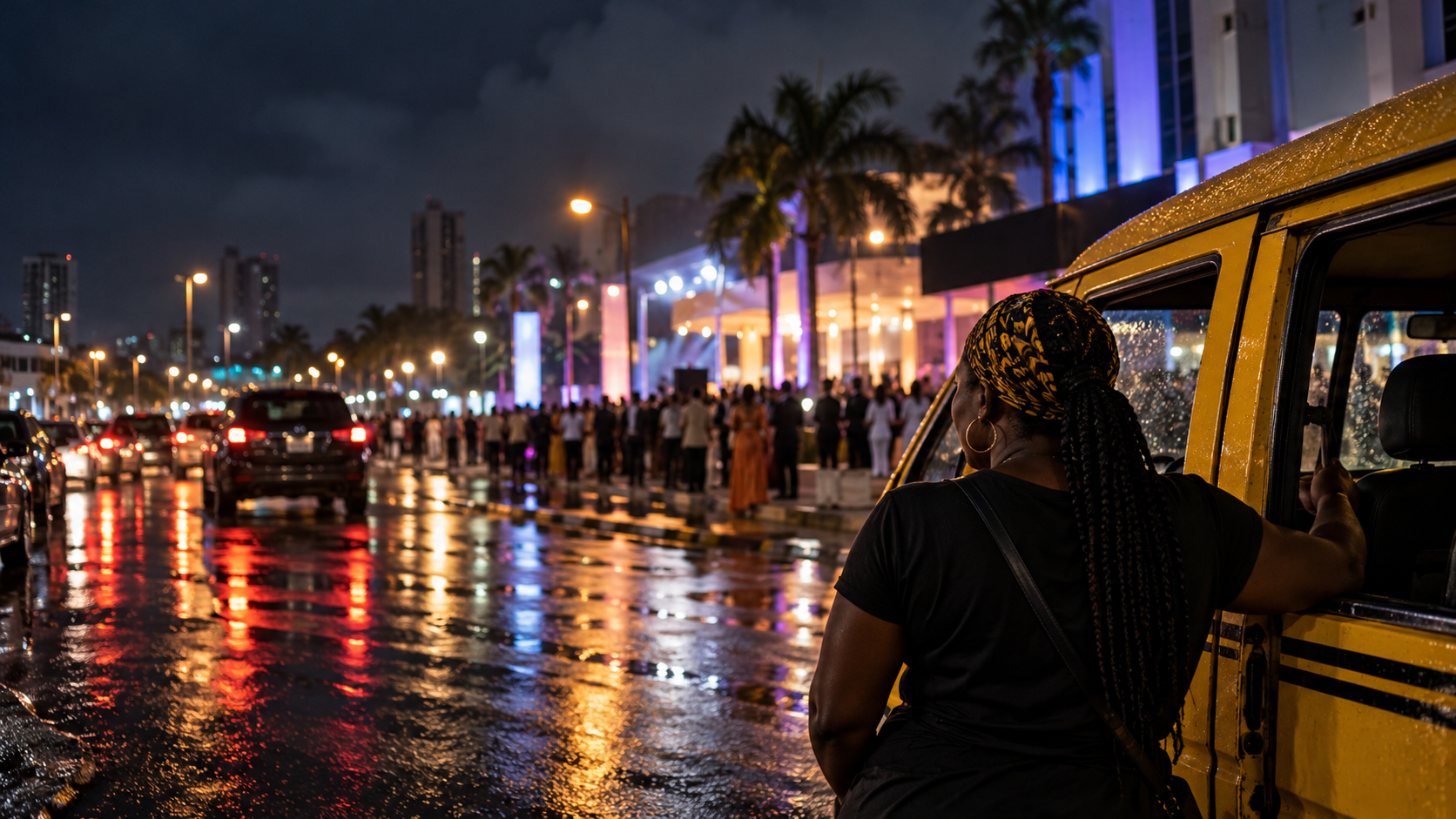
The Africa International Film Festival’s 15th edition runs from 1 to 7 November across Victoria Island and Lekki. Its official programme lists 105 films in eight categories and names Lady as the opening movie. That choice gives AFRIFF 2026 a distinctly Lagos frame: a city after dark, seen through the labour, friendships and decisions of women whose lives rarely occupy the centre of the screen.
What Lady is about
The film follows Lady, one of Lagos’s few female cab drivers, as she saves toward a different life. When her childhood friend Pinky returns, Lady is drawn into driving a group of glamorous, reckless women through the city’s nightlife. The official synopsis describes the journey as an unexpected sisterhood formed amid judgement and pressure. It is a compact premise with a larger cinematic question inside it: who gets to move through the city freely, and what does that freedom cost?
Written and directed by Olive Nwosu, Lady is a 93-minute United Kingdom–Nigeria drama in English and Nigerian Pidgin. Its credited cast includes Jessica Gabriel’s Ujah, Amanda Oruh, Tinuade Jemiseye, Precious Agu Eke, Seun Kuti and Bucci Franklin. The film’s official page records a Special Jury Award for Acting Ensemble at Sundance 2026—recognition that places the performers, not just the premise, at the heart of its reception.
AFRIFF 2026: A city can be more than a backdrop
Lagos cinema often sells motion: traffic, music, neon, money and ambition. The more revealing stories ask who keeps that motion going. A woman behind a steering wheel is a useful narrative vantage point because the job makes her both participant and witness. She carries other people through the city while negotiating its risks herself. If Lady holds to that point of view, Lagos becomes more than attractive night photography; the streets become a map of work, safety, class and belonging.
The premise also resists an easy rescue story. Lady is saving for a new life, but the official synopsis does not promise that leaving is simple or that friendship removes the pressures around her. Instead, Pinky’s return changes the route. The two women’s relationship can complicate the familiar idea that independence means going it alone. That is fertile territory for a feature film—and for conversation after a screening.
AFRIFF’s wider frame
The festival’s 2026 theme, “Frames of the Future: Africa’s Creative Intelligence,” points beyond individual premieres to the systems that let stories travel: financing, distribution, skills, technology and audiences. AFRIFF says screenings and industry events will run across its Lagos venues before the week closes on 7 November. Its official selection spans features, documentaries, shorts and other programme strands, placing a local story such as Lady in a wider international conversation.
That context matters. A festival can introduce a film, but sustained attention depends on the pathways that follow: where audiences can see it, how filmmakers retain creative control, and whether regional work reaches viewers beyond a single event. AFRIFF’s programme offers a public snapshot of those ambitions. The test is what relationships and opportunities continue after the gala lights go down.
What a festival opening can—and cannot—promise
A programme of this size also makes curation part of the story. With 105 titles across eight categories, no single opening film can summarize the whole selection; the first screening is an invitation, not a verdict on the industry. The range offers a chance to compare how filmmakers approach place, genre and audience, and to notice which kinds of African stories are being backed for international circulation.
For Lagos viewers, the immediate value is local specificity. A night-driving protagonist places familiar questions—transport, safety, income and the right to imagine another future—inside a form designed for a shared cinema audience. That does not make the film a documentary account of every woman driver’s experience. It does make the premise a conversation starter, especially when paired with the festival’s workshops and industry-market events.
Why this opening matters now
Opening a festival is a symbolic job. It sets the first tone and gives audiences a lens for the days ahead. By placing a Lagos-set story about a driver and the women she transports first, AFRIFF 2026 begins with movement, work and human connection rather than spectacle alone. The film’s Sundance ensemble prize makes the opening especially notable: it arrives with international recognition, while remaining rooted in a Nigerian city and a specific social world.
For moviegoers, the most useful expectation is not that one film can stand for all of Nigerian cinema. It cannot. The promise is more focused: a new director’s feature, a substantial ensemble, a vivid Lagos setting and a festival programme that gives audiences several ways to explore African filmmaking. The official schedule and venue information should be checked directly before travelling, as screening access and event details can vary by programme.
AFRIFF 2026 runs in Lagos from 1 to 7 November. The festival’s official Lady page carries the synopsis and credits; the full film selection lists the 105-title programme. ThisDay’s preview also reported the film’s selection as opening title. For more reporting, visit Astra Planet’s Film and Media coverage. Verify screening times with AFRIFF before heading to a venue.
The conversation
0 comments
Join the discussion with a thoughtful response.