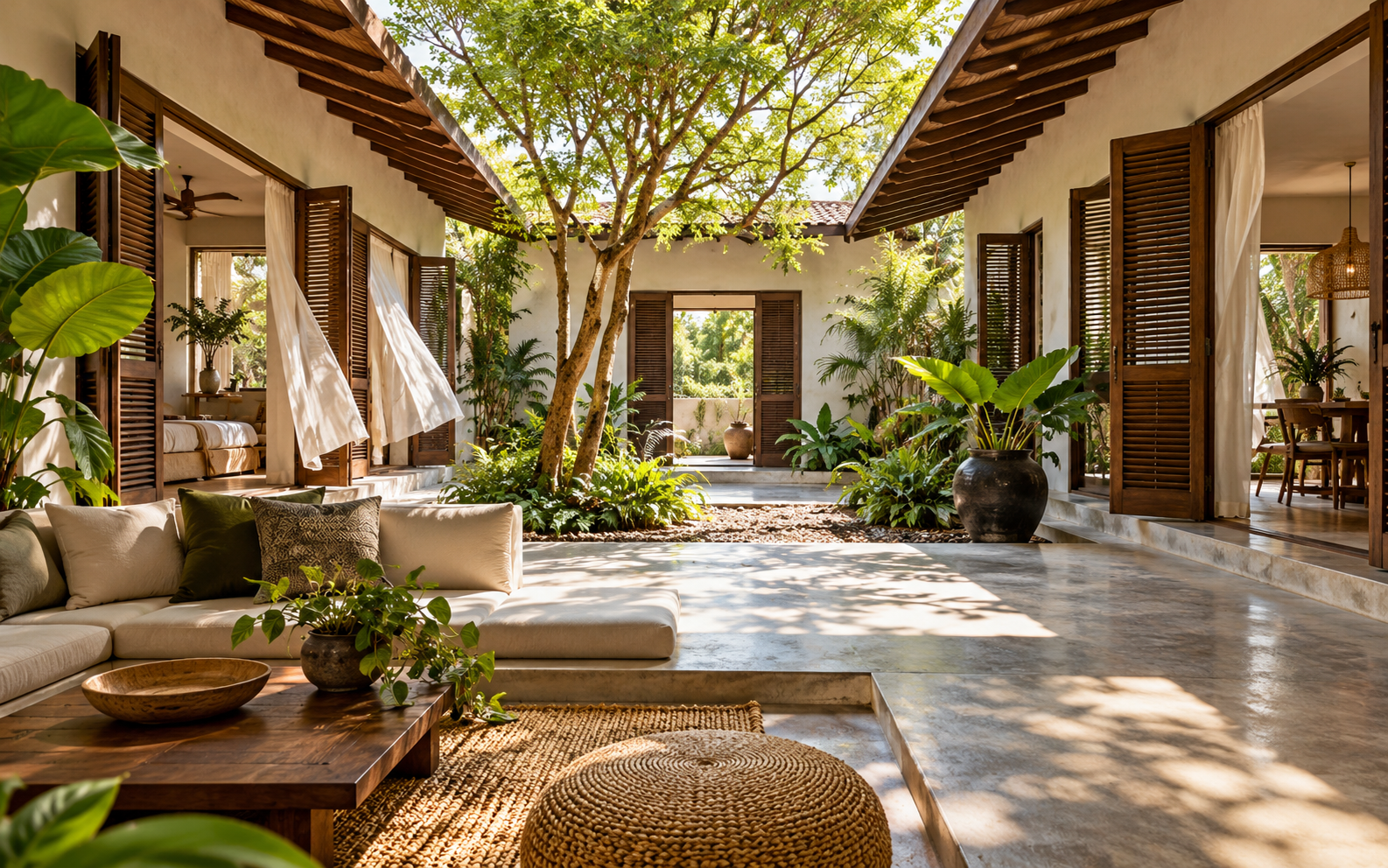

Work with shade before adding equipment
In hot weather, comfort begins with the way sunlight and air move around a home. External shade from trees, verandas or properly placed screens can reduce direct sun on windows and walls. Curtains and blinds help indoors, but stopping heat before it enters can be more effective. Roof colour and insulation also matter, though the right choices depend on the building, the climate and the budget.
Let air move through the room
Where a home’s layout allows it, opening opposite windows can create cross-ventilation. Keep airflow paths clear and consider security, dust, rain and privacy when windows are open. Fans move air over people and can improve comfort; they do not cool a room in the same way an air conditioner does. A simple thermometer can help households understand which rooms heat up most and when, guiding small changes instead of guesswork.
Choose changes that fit the home
No single design fix suits every Nigerian home. Renters may start with movable shade, curtains or window habits, while owners can ask a qualified local builder about roof and ventilation improvements. Take care not to block safe exits or alter electrical systems without professional help. Heat resilience is also a community issue: shade trees and shaded walkways help beyond one household. A cooler home is built through several modest choices that work together, adjusted to the particular structure and the people who live in it.
Source: Read the reporting reference