
When people outside Yoruba communities hear about Ifa, they often meet it through a single word: divination. That word is accurate but too small. UNESCO describes Ifa as a system built from signs, mathematical patterns, and a vast body of verses known as ese. A babalawo, or trained Ifa priest, interprets the pattern and recites relevant poetry. The tradition has been used to guide important individual and community decisions, while also preserving histories, beliefs, language and social thought.
The literary corpus is organised into 256 odu. Each has a divination signature and a body of verses that continues to grow through teaching and practice. UNESCO estimates that there are around 800 ese associated with each odu, while noting that the total number is not fixed. The figures hint at the scale of what practitioners learn and transmit. This is not a set of isolated fortune lines. It is an evolving oral library.
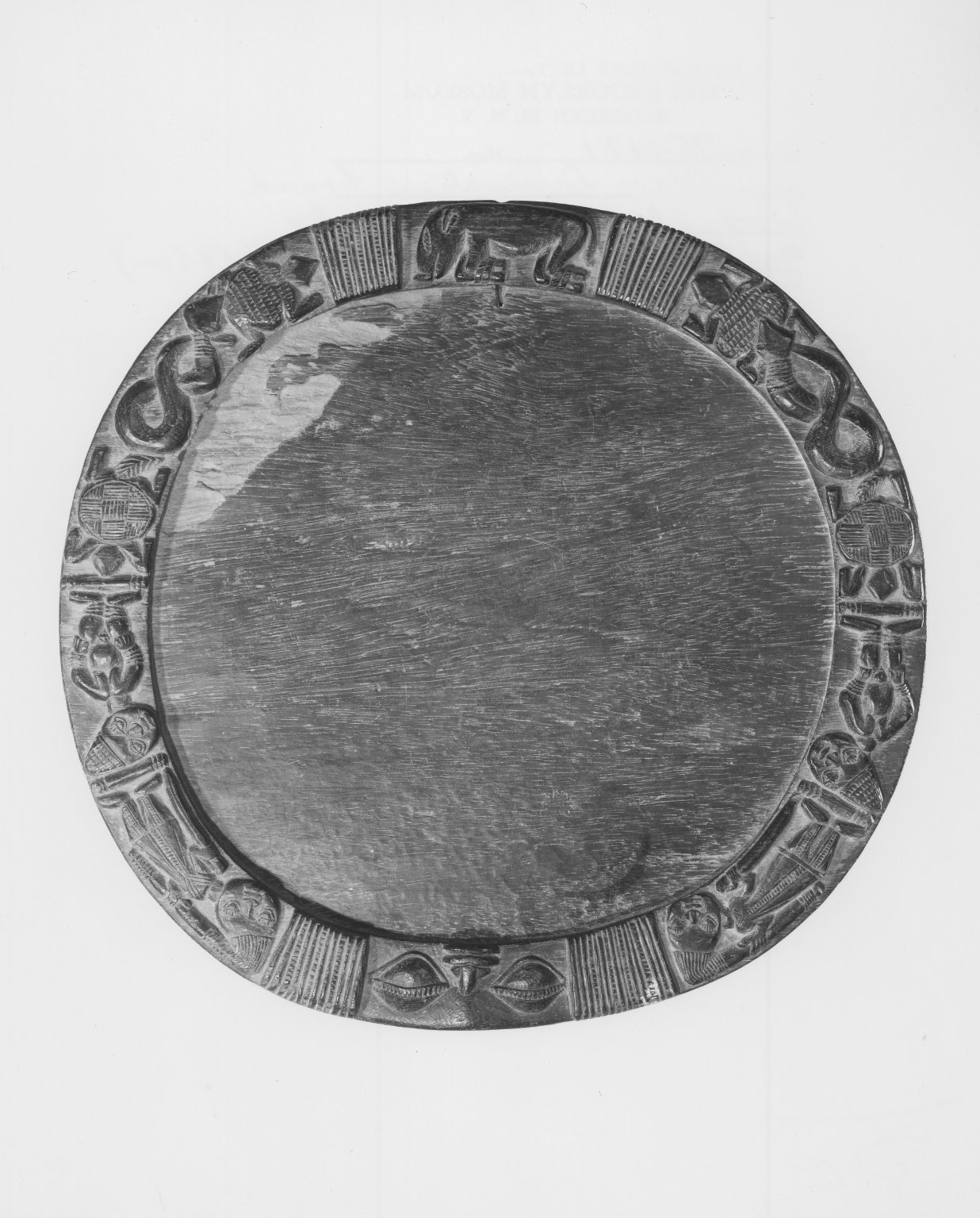
How a sign becomes a story
In a consultation, sacred palm nuts or a divination chain produce a pattern. The diviner identifies an odu and draws on its verses, which are chanted in poetic language. The interpretation depends on training, context and the question being asked. UNESCO notes that the system does not rely on a diviner claiming private oracular powers. It relies on a structured body of signs and on human expertise in interpreting them.
The tray, palm nuts and carved tapper are not props. They belong to a practiced tradition with its own discipline, vocabulary and ethical responsibilities. Museum objects such as the Yoruba opon Ifa help visitors see the craftsmanship and material culture around the practice, but an object alone cannot convey the living knowledge held by priests and communities.
The urgent work of keeping knowledge alive
UNESCO’s safeguarding notes describe pressure on the tradition, including discrimination under colonial rule, diminishing interest among younger people and limited resources for training. Preserving Ifa means more than putting artifacts behind glass. It includes supporting language, apprenticeship, recitation and the communities that maintain the practice.
Calling Ifa mystical can recognise its spiritual place, but stopping there obscures its intellectual depth. Its verses reflect Yoruba history, cosmology, medicine, philosophy and contemporary concerns. Its mysteries are carried through a system people learn together, question together and pass forward. The strongest way to encounter the tradition is with curiosity and respect, not a promise that a quick summary can replace the knowledge of its practitioners.
Sources
- UNESCO’s description of the Ifa system and odu corpus
- Cleveland Museum of Art’s opon Ifa record
- UNESCO’s safeguarding project
Image credits
Cover image: UNESCO Intangible Cultural Heritage. In-article image: Brooklyn Museum, collection image via Wikimedia Commons.
The conversation
0 comments
Join the discussion with a thoughtful response.