
A dispute over Nigeria’s public finances has turned on one alarming-looking ratio. The World Bank’s October 2026 Nigeria Development Update says federal interest payments reached 124 percent of federal revenue in the first half of the year. The Federal Ministry of Finance has challenged the comparison, arguing that the numerator includes debt the federal government services for other tiers of government while the denominator uses only federal revenue.
The two statements are not the same measurement. The World Bank presents interest and revenue figures for the first six months. The ministry says the figures do not match in scope, because some interest reflects external loans to states, and argues that comparing it only with federal revenue overstates the pressure on the federal budget. The ministry also warns that a half-year ratio should not be treated as a complete measure of debt sustainability.

What is agreed
Both accounts point to a large interest bill and the importance of revenue performance. The World Bank report compares ₦7.7 trillion in first-half interest payments with ₦6.2 trillion in federal revenue. The ministry says those figures include debt servicing on behalf of states and says its comparison should align the level of government in both parts of the ratio. It reports that the gap between interest and revenue narrowed from ₦2.0 trillion to ₦1.5 trillion year on year.
The ministry further cites the World Bank’s full-year projection that total debt service, including interest and principal, will equal 46 percent of revenue in 2026. That projection covers a different period and a broader debt-service measure than the first-half interest-only ratio, so the two figures should not be presented as direct substitutes.
What readers should watch
To judge the disagreement, the public needs transparent tables that state which debts are included, whose revenue is counted, and whether amounts are cash paid or accrued. The same definitions should be used across the comparison. Clearer reporting would let analysts evaluate both the burden and the ministry’s response without relying on an isolated percentage.
The World Bank’s warning deserves attention because a high interest bill can constrain public services and investment. The ministry’s scope objection also deserves examination because mixed levels of government can distort a ratio. The evidence now available identifies the disagreement; it does not remove the need for consistent, detailed public accounts.
Sources
Image credits
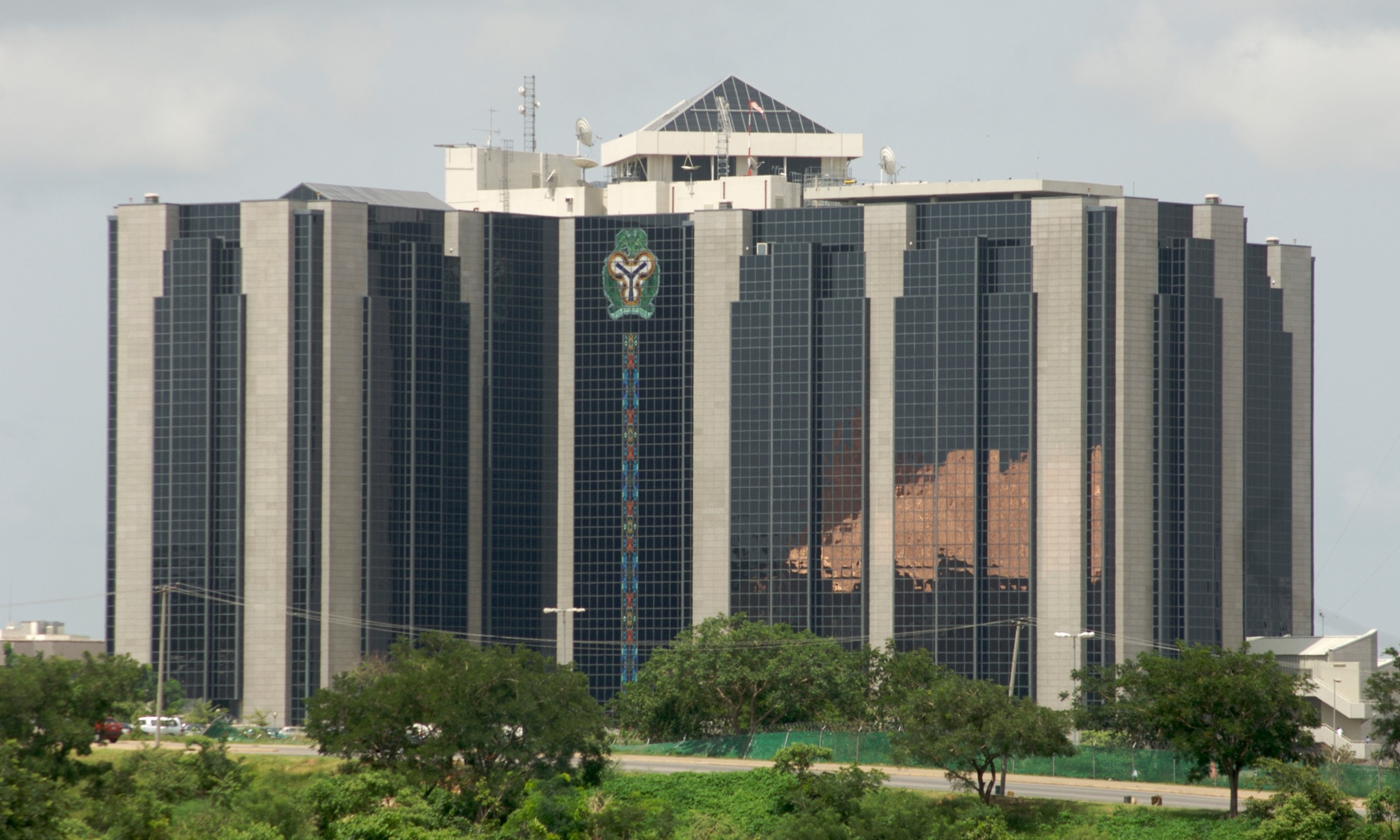
Cover image: File photograph. In-article image: Usman Kadiri, CC BY-SA 3.0, via Wikimedia Commons.
The conversation
0 comments
Join the discussion with a thoughtful response.