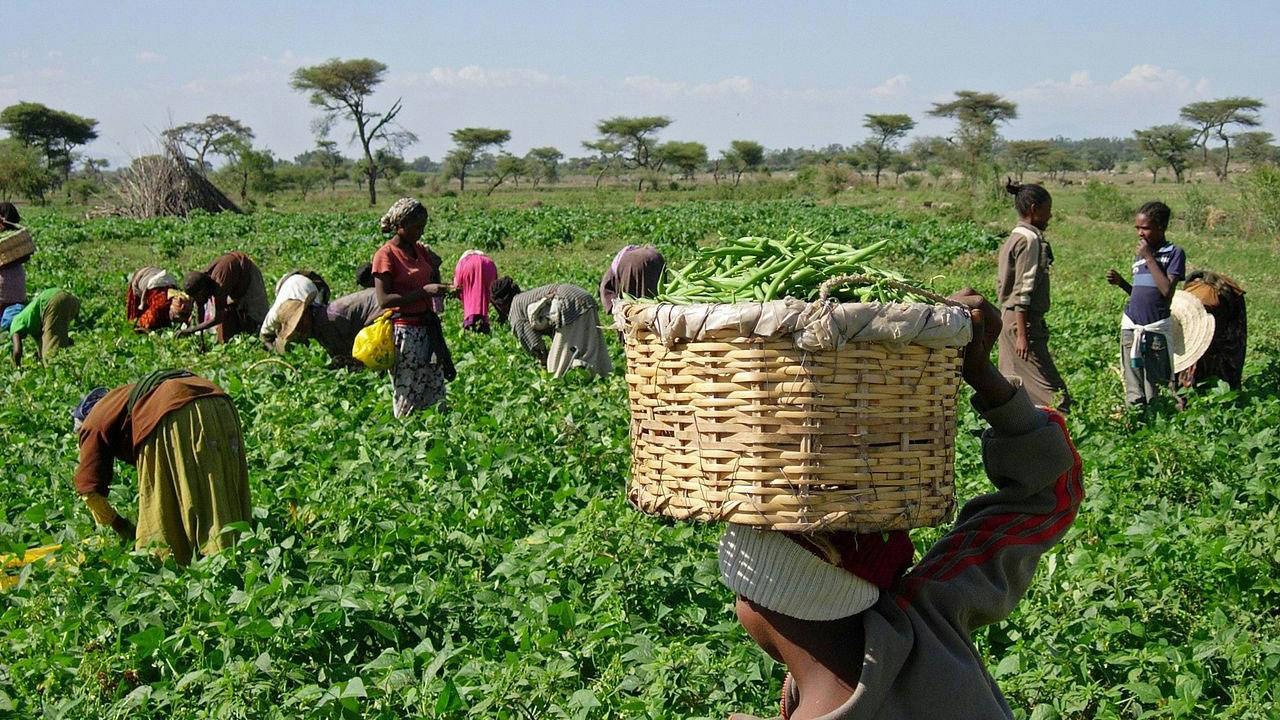

Nigeria’s economy grew by 4.2 percent in real terms during the first half of 2026, according to the World Bank’s October Nigeria Development Update. The pace was faster than the 3.9 percent recorded in the first half of 2025 and the 3.5 percent posted during the same period of 2024. The institution says services remained a major driver, with agriculture contributing more strongly.
The figures give policymakers a stronger growth story than Nigeria had a few years ago. They do not, by themselves, show how much a typical household has gained. Growth is measured across the economy, while families experience it through wages, prices, job security, transport costs, and the availability of public services. That gap is where the next phase of the recovery will be judged.
A more stable base, with risks still present
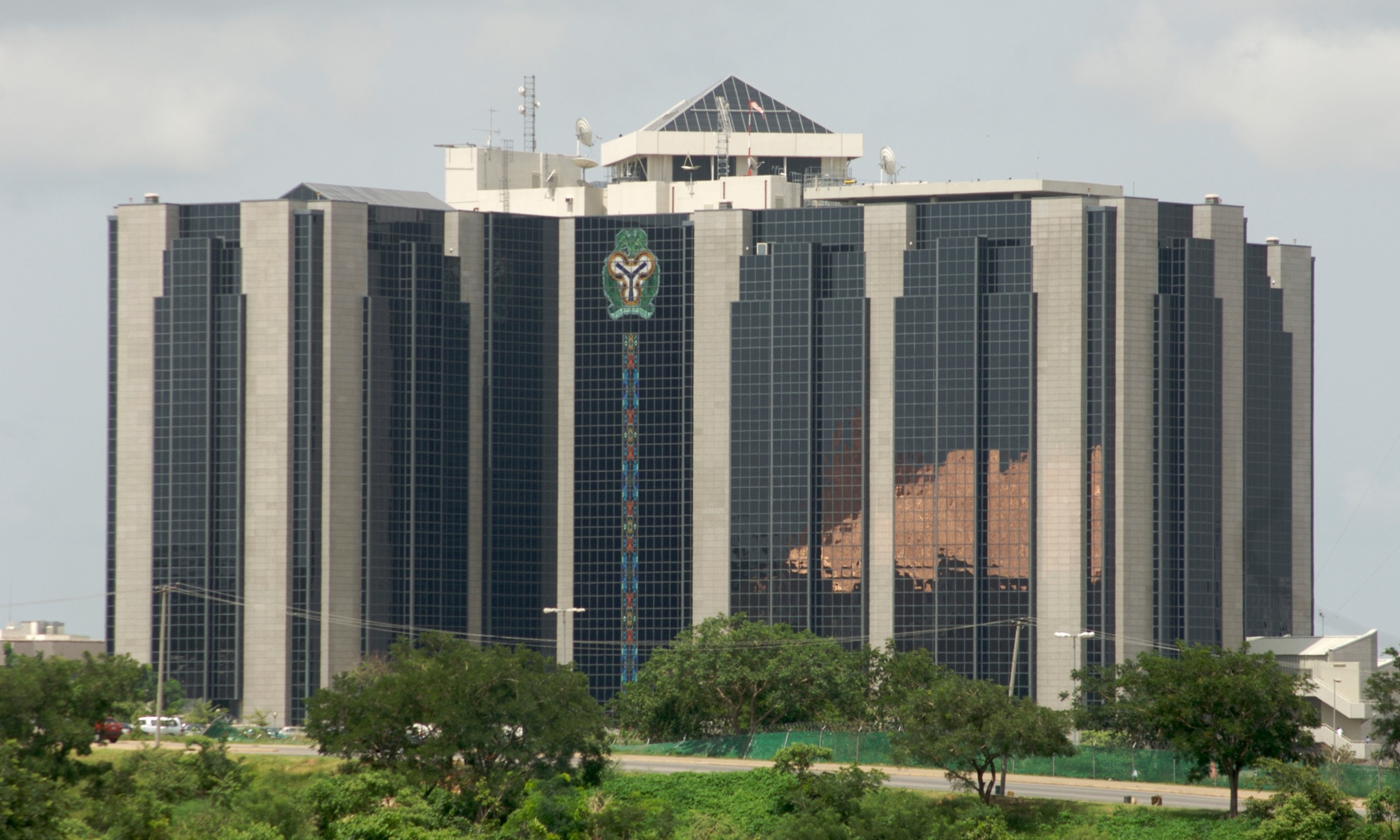
The World Bank says higher oil prices helped strengthen export earnings and Nigeria’s external position. It reported a current account surplus of 12 billion dollars, or 7.1 percent of GDP, in the first half of the year. It also projects average growth of 4.4 percent between 2026 and 2028, while expecting inflation to decline gradually toward about 12 percent by 2028.
Those are projections, not guarantees. Oil prices can move sharply, and the World Bank itself describes external shocks as a risk. Inflation, limited job creation, and high poverty remain relevant measures of whether the macroeconomic improvement is reaching people. The bank said the poverty rate stabilised for the first time since 2019, a significant change, though stabilisation is not the same as a broad reduction in hardship.
Growth needs a public-service route
For the recovery to become more inclusive, businesses need conditions that support investment and employment, while public spending needs to improve education, health, water, and transport. The World Bank’s companion analysis of state budgets makes this concrete: state revenue rose sharply, but the composition and quality of spending will determine whether that money improves daily life.
Readers can watch the next national accounts, inflation releases, and budget reports for evidence of that transition. The 4.2 percent result is encouraging. The more consequential question is whether the next data also show expanding real incomes, dependable jobs, and better services in the places where Nigerians live.
Sources
Image credits
Cover image: One Earth file image. In-article image: File photograph.
The conversation
0 comments
Join the discussion with a thoughtful response.