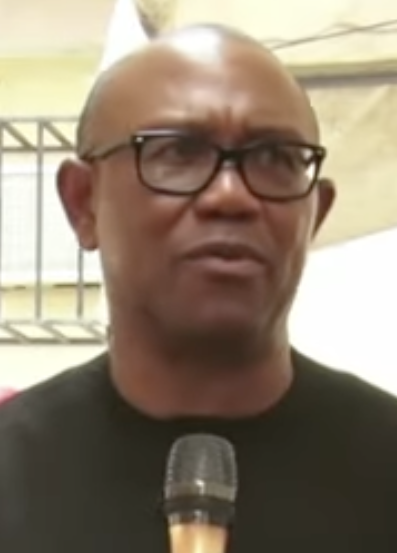

Nigeria’s opposition parties are debating what unity should look like ahead of the 2027 election. The Nigeria Democratic Congress has now made its position plain: its Obi-Kwankwaso ticket will not withdraw in favour of the African Democratic Congress or another party. Rabiu Kwankwaso stated that position on October 18, after ADC figures criticised his earlier suggestion that Atiku Abubakar should step aside for Peter Obi.
The exchange puts a real strategic disagreement in public view. One camp argues that a single opposition candidate could concentrate votes and resources against the governing party. The NDC’s response signals that its leaders believe their own ticket and organisation should remain in the contest. Both positions are political calculations, and neither is proof of how Nigerians will vote.

What the argument is really about
Coalition politics involves more than a shared opponent. Parties have to negotiate candidate selection, the balance between regions, campaign resources, policy priorities, and the question of who controls the organisation after an election. A demand that one ticket step aside is therefore also a demand to settle those questions in advance. The NDC’s refusal keeps the competition open, while making a broad electoral arrangement harder to assemble.
For voters, the practical test will be whether parties can explain what cooperation would deliver. A coalition can widen representation, but it can also become a hurried agreement held together by personal ambition. A separate candidacy can preserve a distinct programme, but it risks dividing voters who want a change in government. Those trade-offs deserve scrutiny without assuming that one formula automatically produces a better result.
What happens next
The public statements do not settle whether the parties will coordinate in other ways, such as on election monitoring, local contests, or shared policy demands. They do show that no common presidential ticket has been agreed. As parties build their campaign structures, the public should watch for written commitments, transparent candidate selection, and plans that address living costs, jobs, public services, and electoral integrity.
The October exchange is an early test of whether opposition unity can move beyond slogans. The answer will depend on decisions the parties have yet to announce, not on assumptions about supporters or social media applause.
Sources
Image credits
Cover image: Plus TV Africa, CC BY 3.0, via Wikimedia Commons. In-article image: Ovinuchi Prince Ejiohuo, CC BY-SA 4.0, via Wikimedia Commons.
The conversation
0 comments
Join the discussion with a thoughtful response.