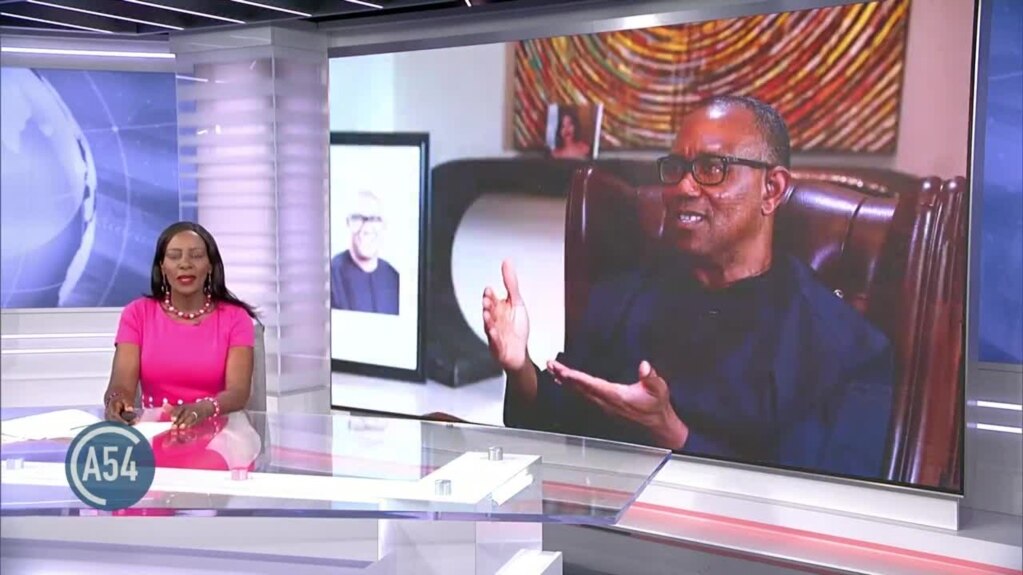

Peter Obi has clarified that he did not ask Nigerians living abroad to abandon their families after his remarks at a Manchester town hall triggered a public argument. He said his point was about the economic conditions that force many households to depend on relatives overseas, not an instruction to stop helping them. His message now centres on a distinction between a family’s immediate need and a country’s long-term responsibility.
What Obi says he meant
In a statement reported by PUNCH, Obi said diaspora remittances pay for school fees, hospital bills, rent and food. He praised Nigerians abroad for the sacrifices they make to support relatives at home. His clarification followed comments at the Manchester meeting where he urged people to think carefully before automatically answering every request for money.
The original remarks were heard by some as a call to withdraw support. That interpretation collided with a fact many families know directly: money sent from abroad often fills gaps when income at home cannot cover necessities. Obi has now said he does not want that support to stop. He says his concern is that Nigeria should not remain a country where millions rely on relatives abroad to meet basic needs.
Remittances and the larger political claim
The debate reaches beyond one speech. Remittances help families pay bills, keep children in school and manage illness. They can also become an informal safety net for a public system that should provide jobs, healthcare and education. These truths can coexist. A household may be grateful for support and still want an economy where fewer people have to ask for it.
That is the argument Obi is making. His political opponents have challenged his wording, while his media team has issued a clarification. The record now includes both the remarks and the explanation. Readers should be able to assess them without having one sentence turned into a claim that families should be abandoned.
The practical question is whether any candidate can turn this discussion into policies that reduce dependence without shaming the people who give or receive money. Better employment, reliable healthcare, strong schools and stable incomes would change the conversation for many households. Until then, diaspora support remains part of everyday survival.
Obi’s clarification has not ended the debate. It has made the stakes clearer: a family’s generosity should not become a substitute for public responsibility, and a political argument about dependency must not erase the people helping one another right now.

Sources
- PUNCH report on Obi’s clarification
- BusinessDay on the debate around his diaspora remarks
- Galaxy TV report on the clarification
Image credits
Featured image: Peter Obi in a VOA interview with Hayde Adams, September 2022. Source: Voice of America; U.S. government public-domain material. Archival illustrative image, not from the recent Manchester town hall. In-article image: a separate 2022 VOA archival frame, Public Domain Mark, via Wikimedia Commons; not from the recent meeting.
Thank you I have just been searching for information approximately this topic for a while and yours is the best I have found out so far However what in regards to the bottom line Are you certain concerning the supply