
Nigeria’s state governments received a major increase in public revenue after reforms changed the flow of funds and oil prices strengthened. The World Bank’s October review estimates that aggregate state revenue rose about 93 percent in real terms between 2023 and 2025. State expenditure grew by about 92 percent over the same period. The scale of that shift creates a basic public question: what changed for residents?
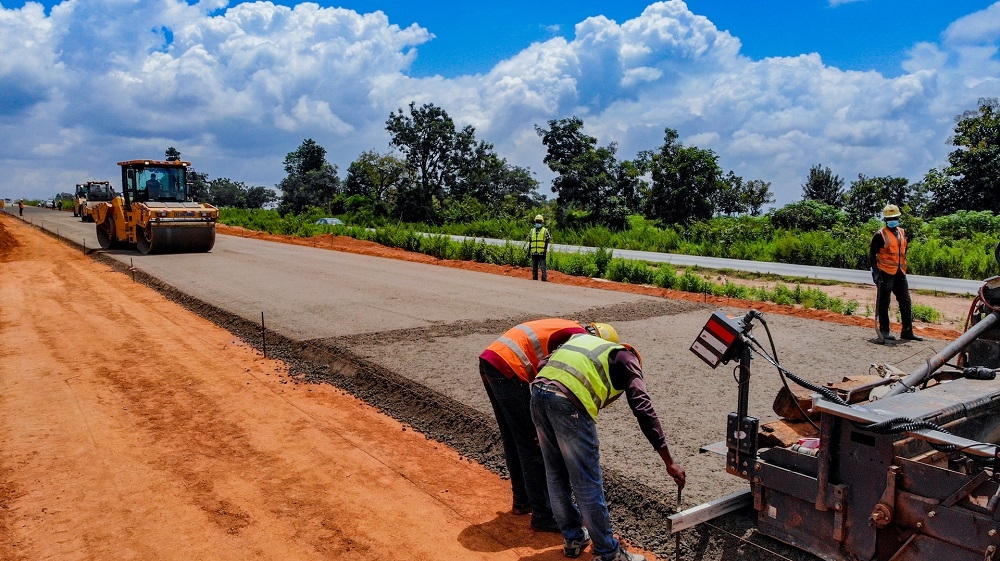
Part of the answer is visible in capital budgets. The share of state spending classified as capital expenditure rose from 46 percent to 61 percent, and transport infrastructure accounted for the largest increase. Spending also rose in housing, agriculture, and other areas intended to support economic activity. These investments can connect markets and improve access to services, but their value depends on whether projects are completed, maintained, and useful to communities.
The human-development shares
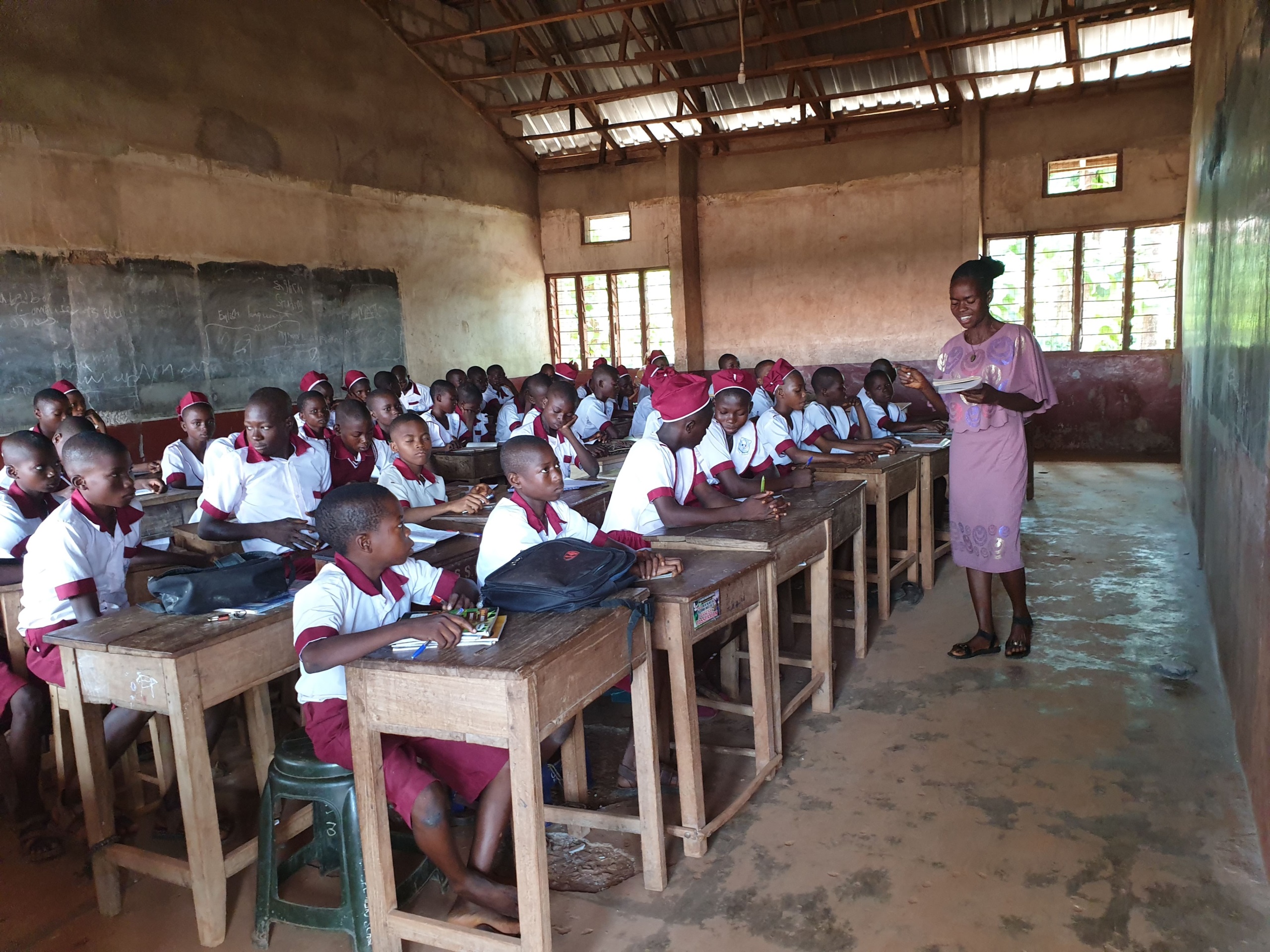
The same analysis raises a quieter concern. Education’s share of total state expenditure fell from 14.9 percent in 2021 to 12.1 percent in 2025. Health spending remained broadly stable at around 7 percent. Social protection moved in the other direction, with its share rising from 1.4 percent to 4.4 percent. These figures describe budget shares, not the quality of each service or the results delivered in every state.
Still, they help explain why a rising revenue total does not settle whether people are better off. A state may invest in a road that opens a farming area to trade, while families in the same region wait for reliable classrooms, clinics, or clean water. A fair assessment looks across those needs and asks whether the money is targeted, spent on time, and monitored openly.
From allocation to accountability
The World Bank points to stronger fiscal reporting and internally generated revenue as improvements in recent years. It says the next challenge is spending efficiency and accountability. For citizens, that translates into practical questions: are contracts published, are projects finished, can residents inspect local budget plans, and do government reports show what was delivered?
The windfall gives state leaders room to respond to long-standing gaps. It also gives the public a clear reason to follow budget implementation rather than only monthly allocation headlines. More money is an opportunity. Better outcomes will depend on what governments choose to fund and how clearly they explain the results.
Sources
Image credits
Cover image: Federal Ministry of Works gallery. In-article image: Bijzondere Noden file image.
The conversation
0 comments
Join the discussion with a thoughtful response.