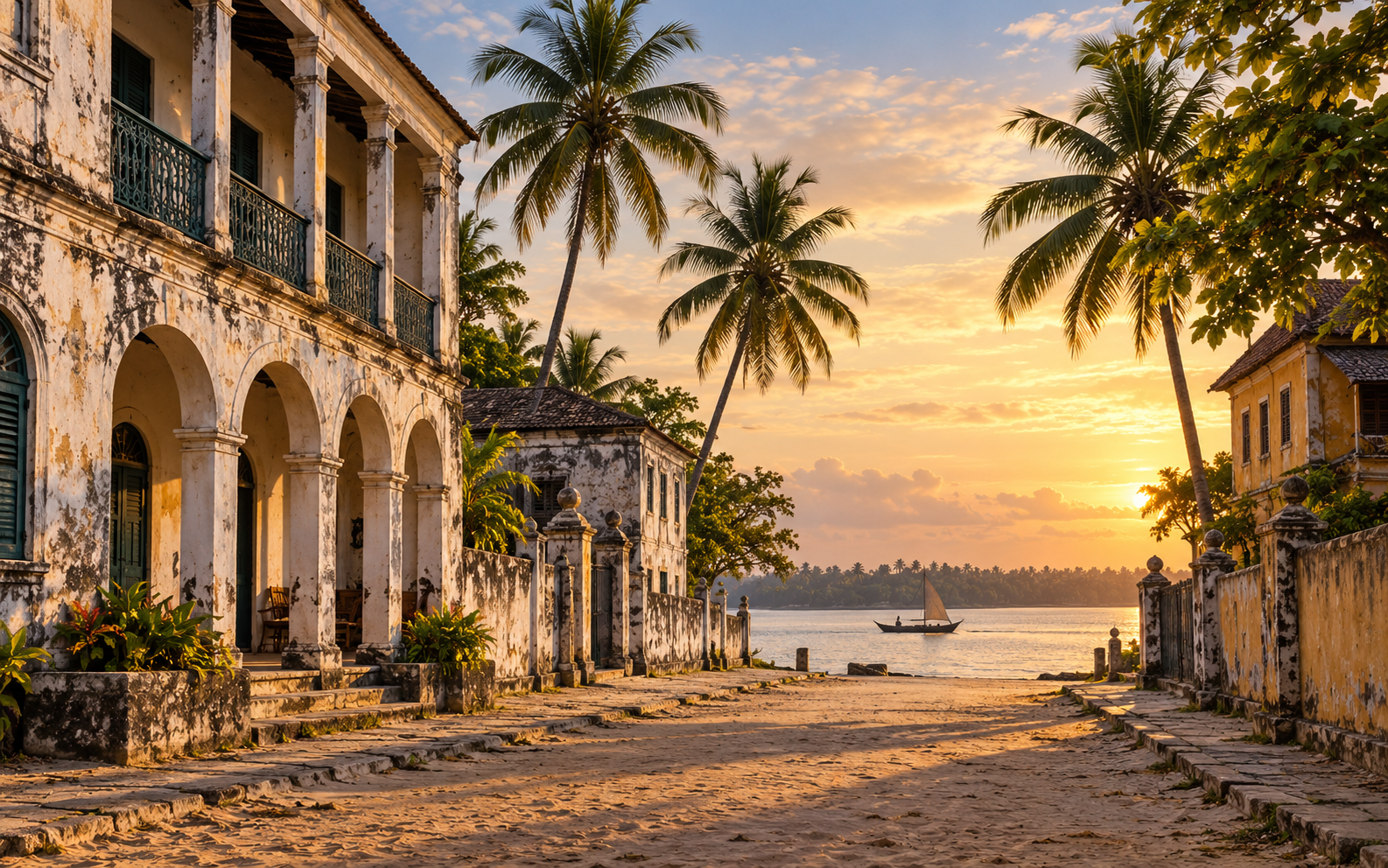

A place with many overlapping histories
Badagry’s coastal location has made it a meeting point in histories of trade, migration and colonial rule. It is often presented through the history of the transatlantic slave trade, and that history must not be softened. But a visit that treats the town as a single stop on a tragedy itinerary risks flattening a community whose life extends beyond the past. The place is a living town as well as a site of public memory.
Memory needs care and context
Heritage spaces invite visitors to confront how people were captured, displaced and sold, while asking who tells the story and how descendants and local custodians are represented. Labels, buildings and objects can open questions rather than close them. A respectful traveller should listen to guides, avoid photographing mournful or sacred settings without permission, and recognise the difference between learning about violence and consuming it as spectacle.
Let local knowledge shape the visit
Because museum hours, routes and local arrangements can change, contact current site managers or a locally recommended guide before travelling. Ask what is open and how the community wants visitors to engage. Leave time for conversations about present-day Badagry as well as historical sites. The purpose is not to turn grief into a souvenir but to understand how memory is kept, taught and debated. A careful visit allows local voices to lead, treats difficult history seriously and recognises that heritage belongs to the people who live with it.
Source: Read the reporting reference