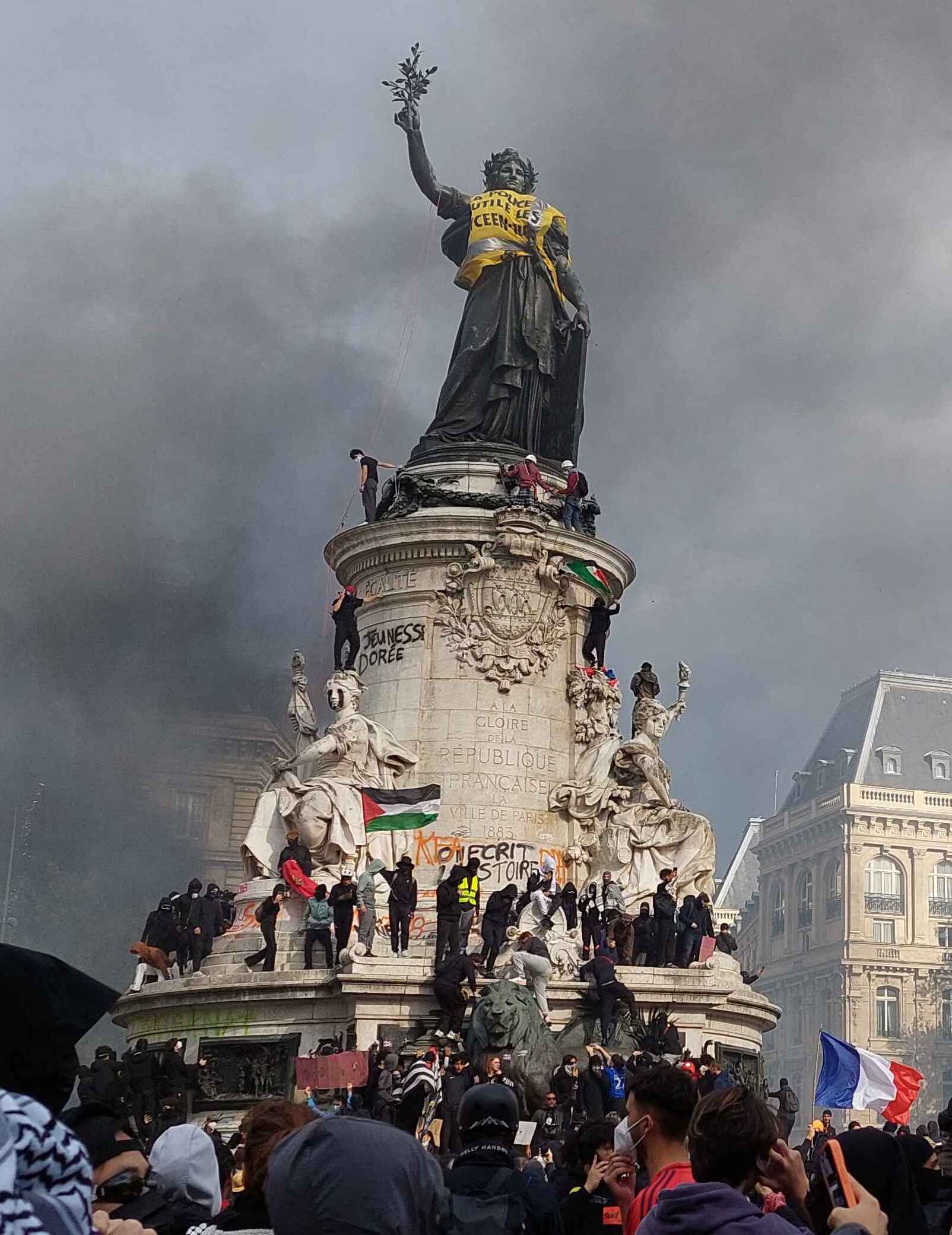

France's October 17 street protests brought several grievances together, but the student movement that helped lead people into the streets began with a simpler demand: better conditions for learning. High school and university students have described crowded classrooms, missing teachers and a school system they experience as stressful and difficult to navigate. They say the movement had continued for weeks before Saturday's national demonstration over the cost of living drew in unions, climate activists, farmers and people associated with the Yellow Vest movement.
Le Monde interviewed young protesters from Paris, Bordeaux, Besancon and Angers after the march. Some said the peaceful demonstrations were followed by looting and property damage that they condemned. Others said the police response and wider experience of state power were part of what had brought people out. Their views are not a single position shared by every student, and the violent acts should not be attributed to the broader movement without evidence.
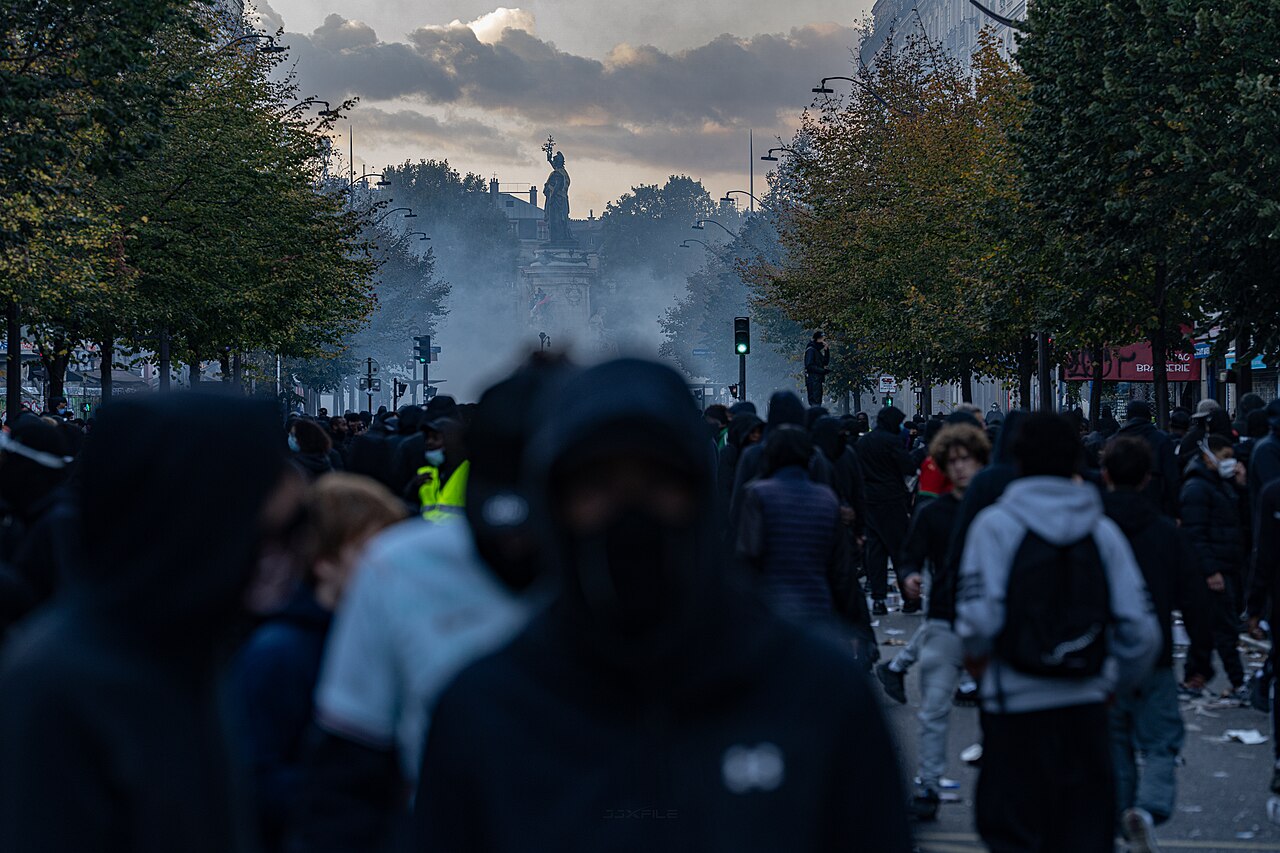
The weekend changed the public conversation
Associated Press reported that cars were set on fire, shops were looted and police used tear gas and water cannons as protests spread across cities. By October 20, curfews were in force in designated parts of Paris and Lyon, with a separate overnight restriction for unaccompanied minors in Marseille. Authorities said the measures helped restore calm overnight, while protest groups announced another day of action for the coming weekend.
That sequence has consequences for students. When a protest is remembered mainly through damaged storefronts and clashes, the original reasons for taking part can become harder to hear. At the same time, residents and shop owners have a legitimate interest in safety and in being able to open their businesses without fear of damage. A responsible account has to hold both facts at once: peaceful participants were present, and serious violence also occurred.
What officials have announced
The government has promised a large security deployment for further demonstrations. AP reports that officials attributed the disorder to far-left groups and opportunistic looters; protesters and student interviewees raised concerns about policing and public services. Those are competing explanations, not settled findings about every incident. France's National Assembly has announced an inquiry into the October 17 violence and the authorities' response.
The inquiry matters because it can separate evidence about specific acts from sweeping accusations. It can ask whether police tactics were lawful and proportionate, what organizers communicated, and how officials responded to the movement's education and cost-of-living complaints. The same standard should apply to claims about protest participants. Vandalism is not proof that every student is violent, just as a peaceful march does not erase the actions of people who attacked property or others.
For students, the next test is whether the government answers the education complaints while enforcing public safety. A curfew can clear a square for a night. It cannot repair a school, hire a teacher or rebuild trust. The movement's demands will be judged by what happens in classrooms and on campuses after the cameras leave the streets.
Sources
- Le Monde interviews with students after the march
- AP reporting on curfews and government response
- AP visual report from October 17
Image credits
Cover image: Mzn17, CC0, via Wikimedia Commons. In-article image: Jorge Jaramillo, CC BY-SA 4.0, via Wikimedia Commons.
The conversation
0 comments
Join the discussion with a thoughtful response.