
A campus safety alert can provide facts and still leave a community with hard questions. At the University of Chicago, officials said a woman who is not affiliated with the university reported a sexual assault after a party at a fraternity house near campus in the early hours of October 11. The university's latest published update, dated October 13, says a person of interest has been identified and banned from campus. It also says Chicago police are leading an investigation and no charges had been filed as of that update.
The report should be described carefully. The alleged assault is a police matter, and the identification of a person of interest is not a finding of guilt. The university has not publicly named the person, and this story does not attempt to identify them or the person who made the report. The Associated Press independently reported that police were investigating and that no charge had been filed at the time of its report.
What the public alert says
The university's update says witness statements and campus video evidence were shared with Chicago police. It says the person of interest is not a UChicago student or otherwise affiliated with the institution. The university says it will separately consider whether university policies were violated, while the police investigation remains active.
That separation matters. A campus can offer support, explain safety steps and review its own rules. Criminal investigators decide whether evidence supports charges under the law. Those processes have different standards and can take different amounts of time. An alert is not a verdict, and a university's decision to restrict access to campus is not a criminal conviction.
Safety communication beyond the first notice
Students need timely, usable information: what is known, which agency is in charge, where support is available, and how new facts will be communicated. At the same time, privacy protections matter for the person who reported harm and for anyone who may be under investigation. Publishing identifying details can expose people to harassment and can complicate a case that has not reached court.
UChicago's notice points students to confidential support and wellness resources. For a community reading an alert like this, those lines are more than boilerplate. People may need support even if they were not present, and survivors should not have to make a public disclosure to seek help. A university's practical responsibility is to keep those channels visible and dependable while its officials cooperate with investigators.
As of the university's October 13 update and AP's October 14 report, the publicly confirmed picture remains limited: a report was made, police are investigating, a person of interest was identified, and no charges had been filed. Any further claim should wait for a reliable update. In a campus climate where rumours move quickly, restraint is part of responsible reporting and part of respecting the people involved.
Sources
- University of Chicago official notice and update
- Associated Press report syndicated by ClickOrlando, October 14, 2026
- UChicago safety and support information
Image credits
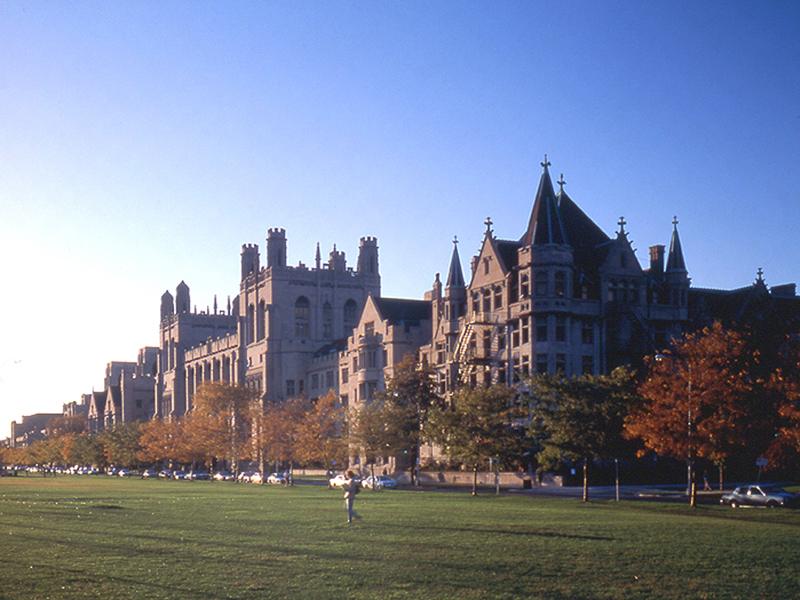
Cover image: Urban, public domain, via Wikimedia Commons. In-article image: IMLS Digital Collections & Content, CC BY 2.0, via Wikimedia Commons.
The conversation
0 comments
Join the discussion with a thoughtful response.