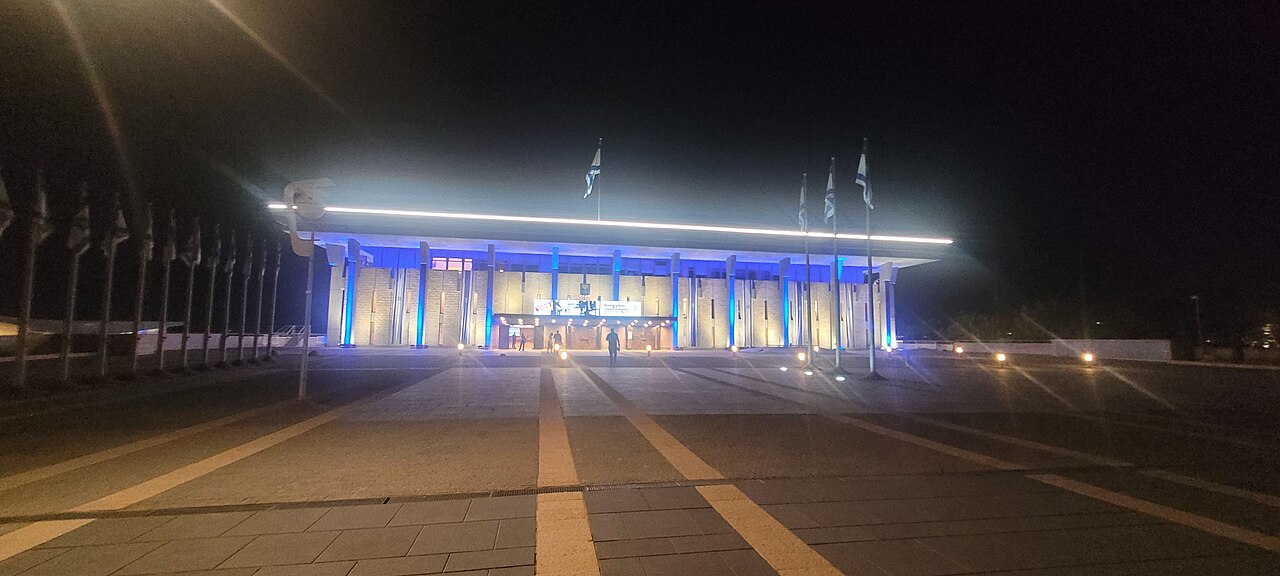

The Israel election now under way is a pivotal parliamentary vote testing Prime Minister Benjamin Netanyahu’s hold on power and the direction of a country still living with the consequences of the 7 October 2023 attacks and the wars that followed.
More than seven million people are eligible to vote. Netanyahu’s governing right-wing and religious bloc faces parties led by Gadi Eisenkot, a former military chief whose Yashar party has become his principal challenger. No results are available while voting continues. Pre-election polls suggested a fragmented Knesset in which neither camp could easily command a majority. The Israel election is also a verdict on how voters assess the government’s response to an unusually long security crisis, though no single issue can explain every ballot.
Israel election 2026: turnout and coalition arithmetic
More than 31 per cent of voters had cast ballots by noon local time, the highest midday turnout since 1977, according to figures from Israel’s Central Elections Committee reported by the Associated Press and El País. The committee’s figures put the number above 2.3 million. That pace is three percentage points higher than at the same point in the 2022 election. Turnout is an important signal in a close contest, but it cannot predict how votes will divide between parties or which combinations will be politically acceptable after polls close. For smaller lists, even a modest shift in the Israel election can affect whether they clear the qualifying threshold.
Israel elects a 120-member parliament, the Knesset, through a nationwide proportional party-list system. Voters choose a list rather than a constituency candidate; a list must win at least 3.25 per cent of valid votes to qualify for seats. A government needs the support of at least 61 lawmakers. With several lists expected to cross the threshold, bargaining among parties—not simply which leader’s party finishes first—will determine who can form a government. The Knesset’s own explanation of the threshold and seat-allocation system is available here.
Security, service and the character of the state
The vote is the first national election since Hamas’ 7 October assault and the conflict that followed. Security remains central, alongside military conscription, the still-unresolved war in Gaza, the government’s handling of the hostage crisis and a wider dispute about religion, judicial independence and the country’s democratic institutions.
Netanyahu, Israel’s longest-serving prime minister, has argued that his experience matters in a dangerous region. His opponents say the government failed to take responsibility for the security breakdown before the 2023 attack, and that its policies have deepened domestic divisions and damaged Israel’s standing abroad. Eisenkot has urged voters to choose a change in leadership and a greater sense of shared responsibility. Those are competing campaign claims; the ballot count, not the candidates’ descriptions of the moment, will determine the next parliamentary balance.
Participation among Arab citizens is being watched closely. Arab-led parties may win seats that become pivotal if neither main camp can assemble 61 members, though their potential leverage depends on whether other parties are willing to negotiate with them. Associated Press reporting said Ra’am leader Mansour Abbas hoped turnout in Arab communities would exceed 70 per cent. About 330,000 young Israelis are voting for the first time, many with compulsory military service and the country’s security debate close to home.
Israel’s parliamentary system means a close result could produce weeks of negotiation rather than a quick handover. Parties must agree on a coalition with enough support in the Knesset; finishing first is not, on its own, a guarantee of government. The Central Elections Committee is administering the vote, and the next steps are the count, certification and coalition discussions.
If the count leaves no bloc with 61 seats, party leaders will need to negotiate coalition agreements. The Associated Press has noted that it could take weeks or months before a winner is known. A party may finish first yet lack partners able to support a government. Turnout reports and election-day surveys describe participation and voter intentions, but they are not a substitute for the official count and final seat distribution. The Israel election therefore remains unresolved until those steps are complete. In this Israel election, the count will determine seat shares; negotiations will determine whether those shares can become a government.
Follow ASTRA Planet’s political coverage for regional and international developments.
Sources: Associated Press; El País live coverage; Israel Central Elections Committee.
The conversation
0 comments
Join the discussion with a thoughtful response.