
Nigeria’s NDC campaign council now has a 118-member roster, with Bayelsa senator Henry Seriake Dickson in the chair and former presidential candidate Peter Obi among its senior figures. The National Democratic Congress announced the appointments on Monday, giving the recently active party a visible campaign structure more than a year before Nigerians are due to vote.
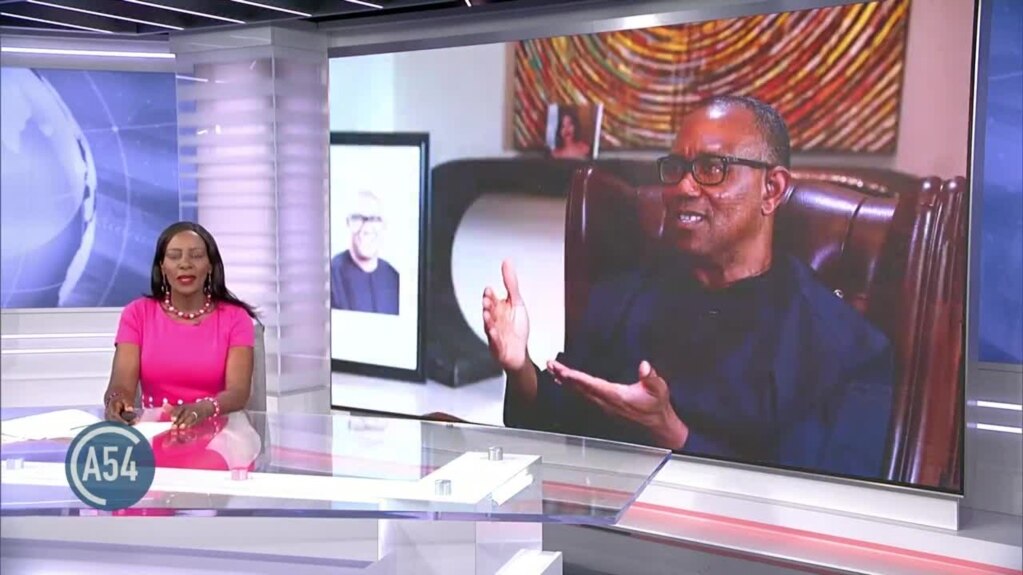
The list names Dickson as chairman, Obi as co-chair and former Kano governor Rabiu Kwankwaso as a co-vice-chair. Ibrahim Abdulkarim is named director-general. The party scheduled the council’s formal inauguration for Monday, according to reports by Channels Television and Premium Times.
NDC campaign council: who is in the senior team?
The announcement is an organisational move, not a declaration that the figures have agreed on a presidential ticket or that the NDC has concluded a wider coalition arrangement. Those questions remain separate from the council’s composition. A campaign body can coordinate outreach and planning; it cannot, by itself, settle who will appear on a ballot or how parties may align.
The party describes the NDC campaign council as a vehicle for mobilising supporters and preparing for the next election. Those are its stated aims. The membership list establishes who has been assigned roles, but offers no independent measure of the organisation’s reach, funding or ability to convert appointments into votes.
Obi’s inclusion will attract attention because his 2023 presidential campaign drew substantial support, particularly among younger voters in urban centres. Dickson brings experience in state politics and the Senate, while Kwankwaso has built a durable following in Kano and the North-West. Their names on one council are politically notable; they should not be read as proof of a settled alliance or candidacy.
A structure is not yet an alliance
Nigeria’s party landscape is already looking toward the 2027 contest, but visible preparation is not the same as formal nomination. Parties will still need to clarify their candidates and platforms through the processes set out in electoral law. For voters, the next useful evidence will be whether this council publishes a programme, assigns responsibilities across states and sustains engagement beyond its launch.
The appointments also leave practical questions unanswered: how the council will work with the party’s state structures, what policy priorities it intends to champion and whether its members will share a common position on alliances. The announcement itself does not answer those questions, and the party has not announced a presidential ticket in the roster.
ASTRA Planet previously examined the election calendar and the credibility questions that will follow it in Nigeria’s 2027 election: the calendar is set; the credibility test is not. In that context, the NDC campaign council is an early organisational signal: it puts prominent names and a campaign structure in public view, while leaving the harder work of policy, coalition-building and voter persuasion ahead.
For now, the NDC campaign council’s 118 names offer a map of the party’s planned campaign leadership, not a forecast of the election. Nigerians will have more meaningful evidence when the council’s work becomes visible, parties clarify their alliances and candidates, and the timetable moves from preparation into a formal contest.
In a long pre-election period, campaign councils can provide coordination and help parties identify organisers, messaging and regional priorities. Their names also signal which political figures are willing to be publicly associated with a party’s preparations. Neither function guarantees that the organisation will persuade undecided voters. That will depend on the platform it offers, its capacity to build a credible structure and the choices Nigerians make as the election approaches. The party’s next public statements should make clear whether the Monday inauguration produced concrete assignments or whether further details are still to come.
The conversation
0 comments
Join the discussion with a thoughtful response.