
South Sudan has taken a consequential step toward its long-delayed national election: President Salva Kiir dissolved the transitional government on Tuesday after signing legislation that removes the need to complete a permanent constitution and national census before voters go to the polls.
The changes clear two formal obstacles to the election scheduled for 22 December 2026. They do not, however, complete the work of holding one. Voter registration has yet to begin, and the political settlement behind the transition remains under strain.
Parliament approved the amendments to the National Elections Act late on Monday. Kiir signed them the following day, and his office said the dissolution followed the electoral process. Under the amended law, incumbent executive leaders retain their constitutional powers during the election period until a newly elected president takes office.
The legislation also reduces the National Legislative Assembly from 650 members to 270, state assemblies from 100 seats to 58, and legislative councils in administrative areas to 20 members, according to Reuters’ account of the changes.
The unfinished transition
South Sudan’s transitional arrangements stem from a 2018 peace agreement that ended a five-year civil war. The election has been postponed repeatedly as provisions of that agreement, including constitutional work and preparations for the vote, lagged. Removing the census and constitution requirements makes a December poll legally easier; it does not itself demonstrate that electoral institutions, security arrangements and public confidence are ready.
Kiir replaced the head of the National Elections Commission last week without publicly giving a reason. His longtime rival Riek Machar, leader of the principal opposition SPLM-IO, has been under house arrest since March 2025 and faces charges including treason and murder, which he denies. Those conditions will shape how the vote’s inclusiveness is judged.
For now, the immediate tests are practical and political: when voter registration starts, how electoral boundaries and seats are administered under the revised law, and whether rival parties can campaign credibly. The December date is closer on the calendar. A trusted election still has to be built on the ground.
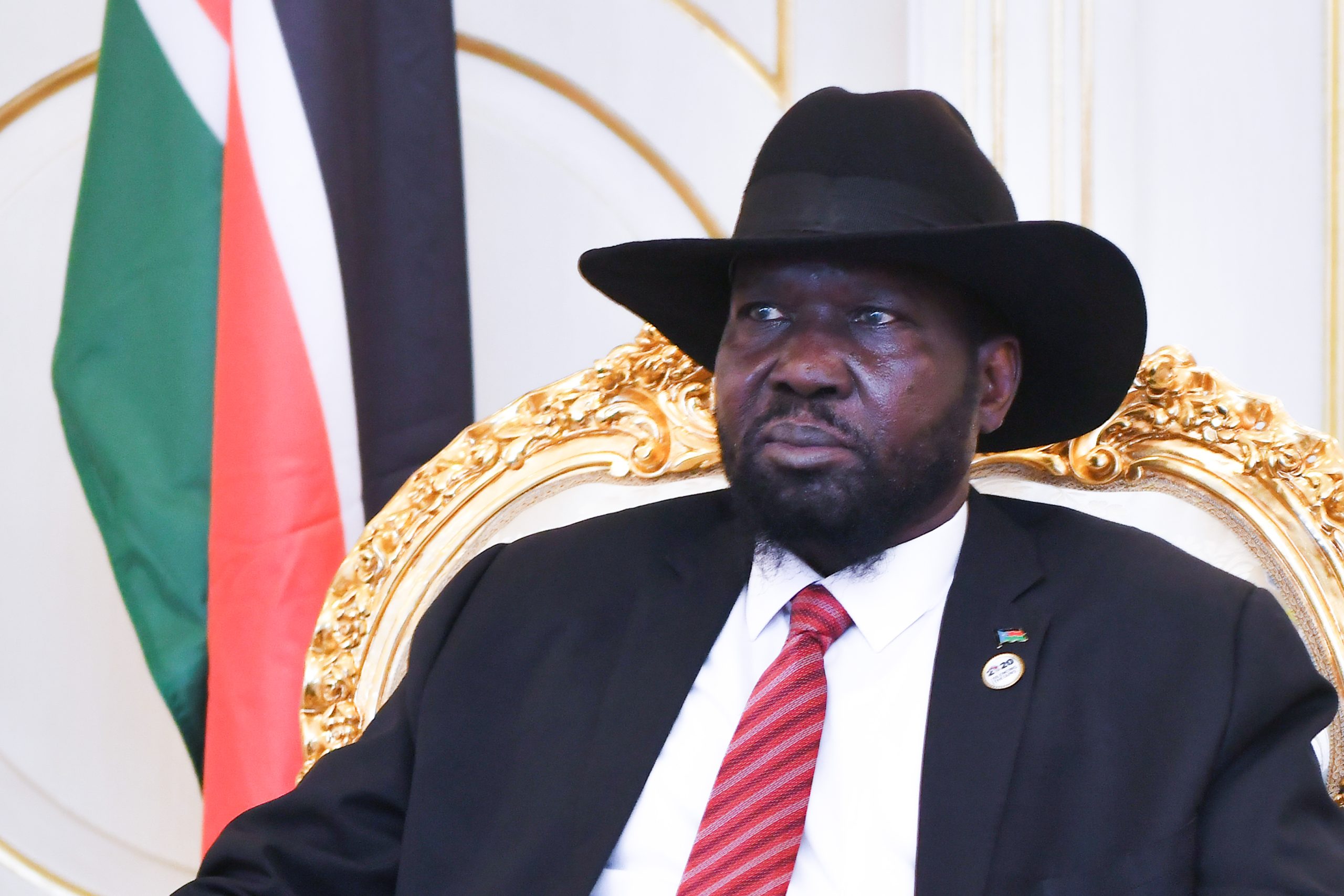
Featured photograph: Evon2023, CC0. Portrait taken in October 2020; it does not show the September 2026 announcement. Original file; site display may crop the preview.
The conversation
0 comments
Join the discussion with a thoughtful response.