
A $5.3 million agreement signed during the UN General Assembly aims to strengthen cholera preparedness and response across the Lake Chad Basin, where outbreaks are colliding with inadequate water and sanitation and a wider humanitarian funding shortfall.
The World Health Organization and Saudi Arabia’s King Salman Humanitarian Aid and Relief Centre, known as KSrelief, signed the $5,327,244.97 implementation agreement in New York. It covers Cameroon, Chad, Mali, Niger and Nigeria, according to WHO’s announcement on 22 September.
The programme combines surveillance and medical supplies with basic prevention work: drilling wells, rehabilitating public latrines and improving water, sanitation and hygiene services. WHO says it will also support health facilities and equipment for emergency and intensive care. The agreement establishes a response programme; it does not mean all facilities have already been upgraded.
Nigeria’s heavy burden
More than 61,000 cholera cases were recorded across the WHO African Region in the first five months of 2026, the agency says. It reported more than 50,000 cases and 338 deaths in Nigeria since January, making it the region’s largest outbreak in the figures cited for this agreement. In Chad, nearly two-thirds of infections were among children younger than 15.
The dates and reporting periods behind those figures differ, so they should not be added together as a single regional tally. They nevertheless show the scale of the challenge. Cholera spreads through contaminated water or food and can cause severe dehydration; prompt rehydration and appropriate medical care are crucial, while safe water and sanitation reduce transmission.
WHO says 8.2 million people across the basin need humanitarian assistance, while only 22% of funding requirements had been met as of April. The partnership therefore addresses a real financing gap, but its success will depend on whether water systems, early detection and treatment capacity reach communities at risk.
WHO director-general Tedros Adhanom Ghebreyesus described cholera as preventable and treatable and said sustained support could help the five countries detect outbreaks sooner and respond faster. The measurable test now is delivery: functioning water points, usable facilities, medicines and timely surveillance, rather than the size of the signing ceremony.
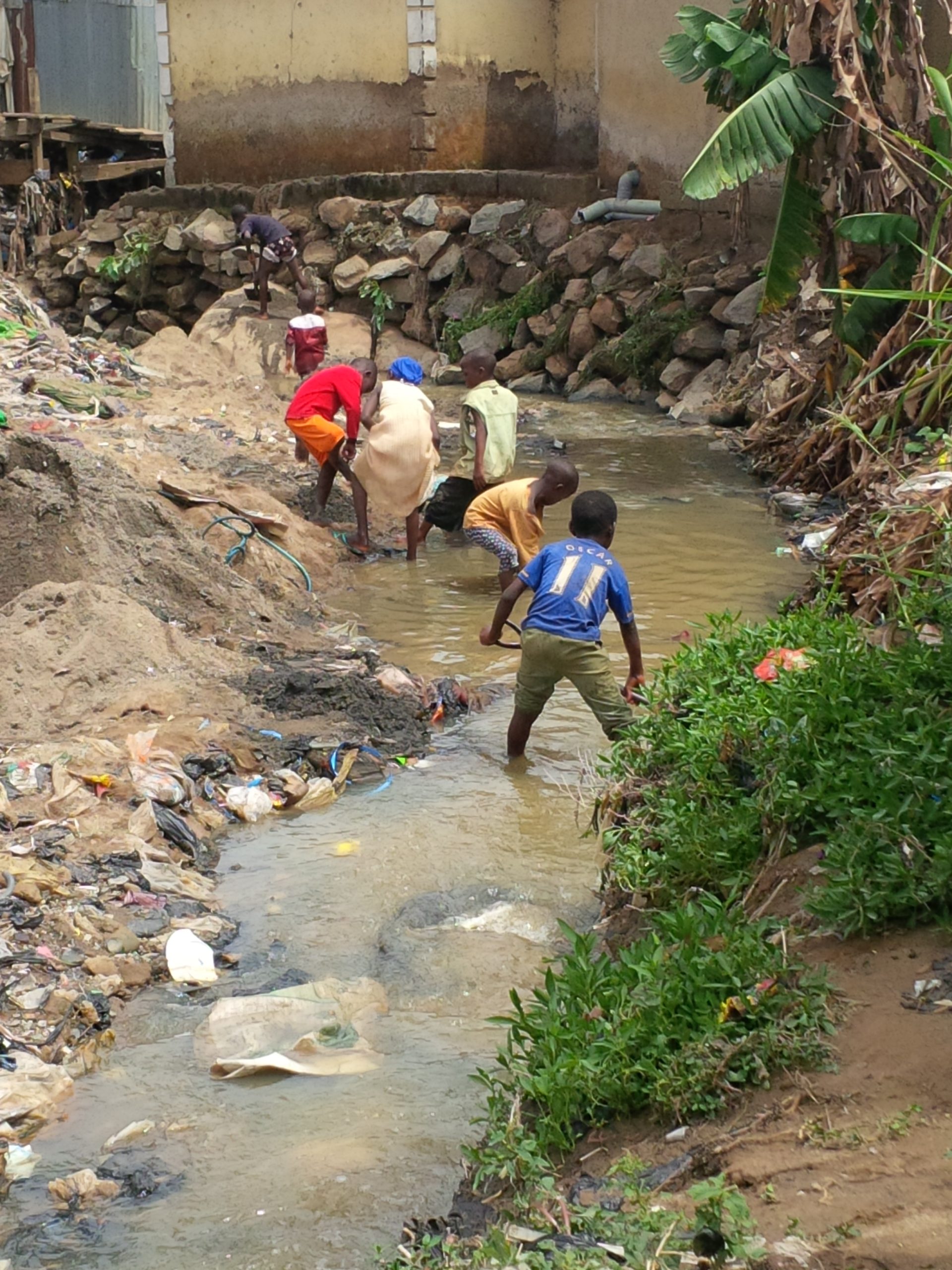
Featured photograph: CDC Global Health, CC BY 2.0. Taken in Mpape in 2014; it does not depict the 2026 Lake Chad response. Original file; site display may crop the preview.
The conversation
0 comments
Join the discussion with a thoughtful response.