
The World Health Organization has expanded its contraception guidance, supporting longer use of implants, more flexible schedules for combined oral pills and an additional emergency option. The changes, announced on Wednesday, are intended to widen informed choice and reduce avoidable clinic visits where evidence permits.
Under the new WHO recommendations, combined oral contraceptive pills may be taken for extended periods of up to six months or continuously for up to a year as alternatives to cyclical use. Etonogestrel-releasing implants can be used for up to five years under the guidance, potentially lowering replacement costs and the number of procedures.
WHO also recommends mifepristone, at doses of 10–50 milligrams, as an additional emergency contraception option when taken as soon as possible and within five days of unprotected sex. Availability, regulation and clinical advice will differ by country; a global recommendation does not itself make a product locally approved or stocked.
Evidence sets the limits
The guidance is selective. WHO called for more research before ormeloxifene is included in family-planning programmes because safety evidence remains limited. It recommended against adding quinestrol-containing pills to national programmes, citing limited evidence and reports of serious adverse events. Those distinctions matter as much as the expanded options: the document is an assessment of methods, not a blanket endorsement of every product marketed as contraception.
WHO estimates that 164 million women who wish to delay or avoid pregnancy are not using contraception. Access is shaped by supply, cost, counselling, social norms and the ability to choose or discontinue a method without coercion. A longer approved duration for an implant may ease one barrier, but health systems still need trained providers and reliable information.
Research cited by WHO also points to demand for future male contraceptives. More than three-quarters of couples surveyed said they would be willing to use a new male method, while more than 85% of women said they would trust a male partner to take responsibility. The survey does not mean a new method is already available. WHO has published a target product profile to guide development around safety, effectiveness, acceptability and price.
The next step belongs to national regulators, clinical bodies and health programmes, which must assess how the recommendations fit local approvals and services. People considering a change to their own method should discuss the applicable product and their medical circumstances with a qualified clinician rather than infer an individual prescription from the headline.
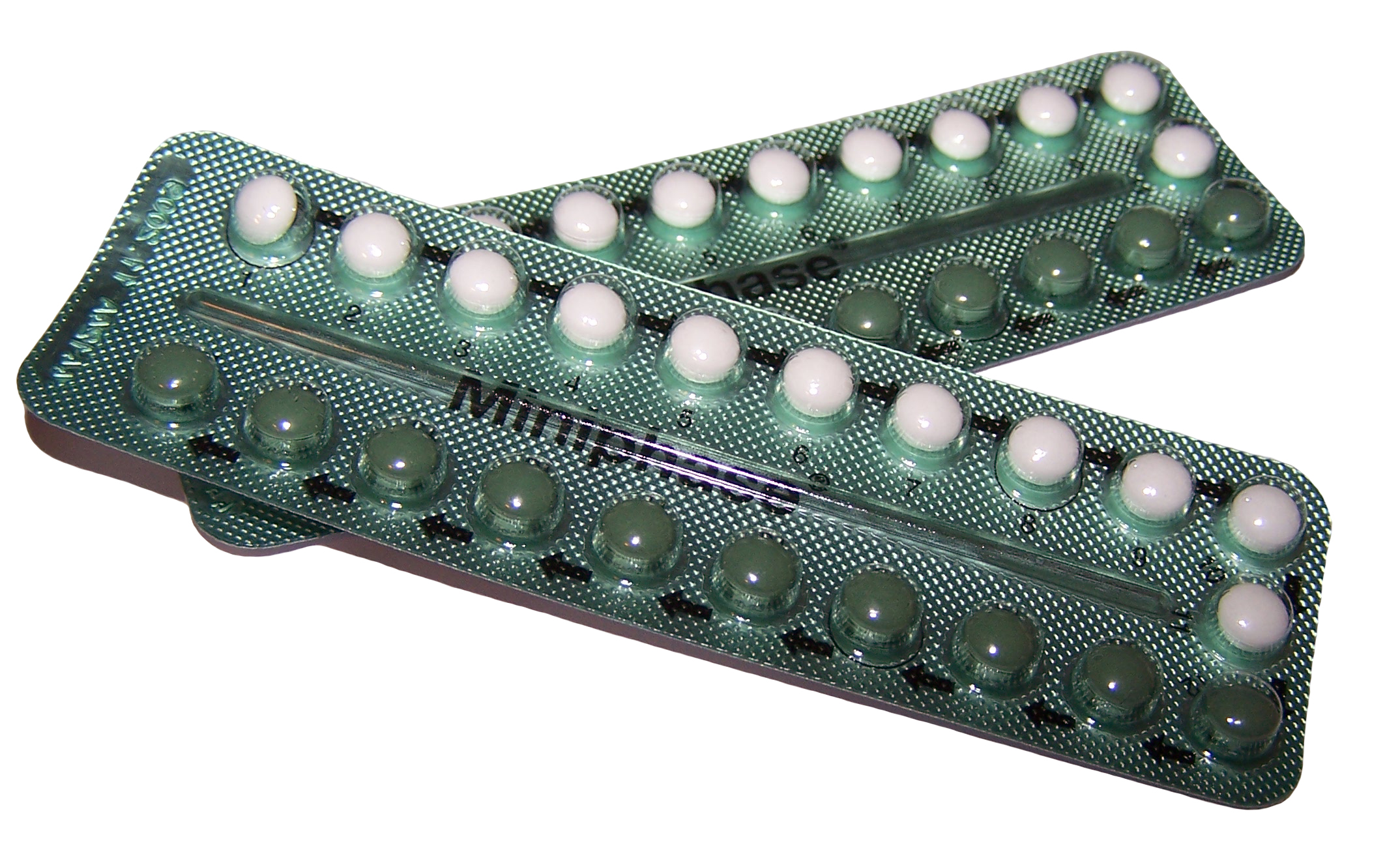
Featured photograph: Ceridwen / Wikimedia Commons, CC BY-SA 2.0 France. Illustrative archive photograph of pills; the new WHO guidance also addresses implants and emergency contraception. Original file; site display may crop the preview.
The conversation
0 comments
Join the discussion with a thoughtful response.