
A diagnosis does not tell the whole story of a person’s health. Two people may have the same chronic condition and very different chances of being screened early, receiving a diagnosis, obtaining medicine and staying well over time. A World Health Organization report published on October 20 makes those differences its subject, offering the first comprehensive global assessment of within-country inequalities in noncommunicable diseases and their risk factors.
The report covers four major groups: cardiovascular disease, cancer, diabetes and chronic respiratory disease. It also examines five risk factors, including tobacco, alcohol, obesity and unhealthy diet, insufficient physical activity, and air pollution. The analysis brings together nine multicountry data sources and 35 indicators, broken down across dimensions such as sex, age, income, education and where people live.
Risk accumulates through daily conditions
WHO reports substantial differences in disease prevalence, exposure to risk and access to services, with patterns changing from country to country. It highlights examples including lower cancer screening coverage among disadvantaged groups, disparities in hypertension diagnosis and treatment, and greater exposure to household air pollution. The report does not say that one group faces the same pattern everywhere. It gives governments a framework for seeing which gaps occur within their own populations.
These gaps are shaped by ordinary conditions: whether a clinic is nearby, whether a worker can leave a job for an appointment, whether a household has safe cooking fuel, and whether medicine remains affordable after diagnosis. Telling people to make healthier choices has limited value when healthier options are unavailable or when preventive care is out of reach.
Measurement is part of the problem
The report also identifies a shortage of comparable data that can be separated by population group. National averages can hide sharp differences between urban and rural areas or between people with different income and education. Better measurement will not fix a service gap on its own, but without it policymakers can overlook who is missing from screening, treatment and prevention programmes.
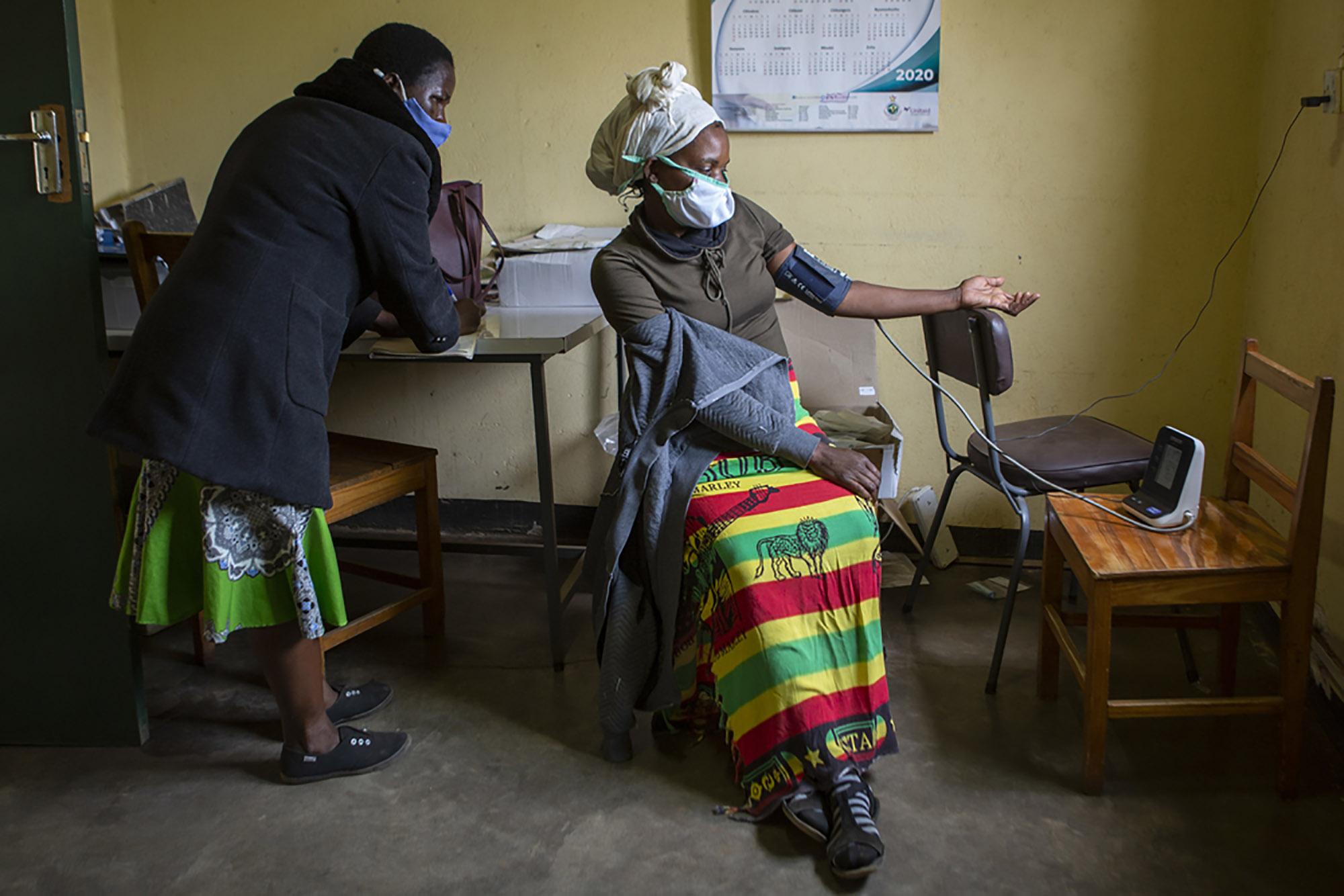
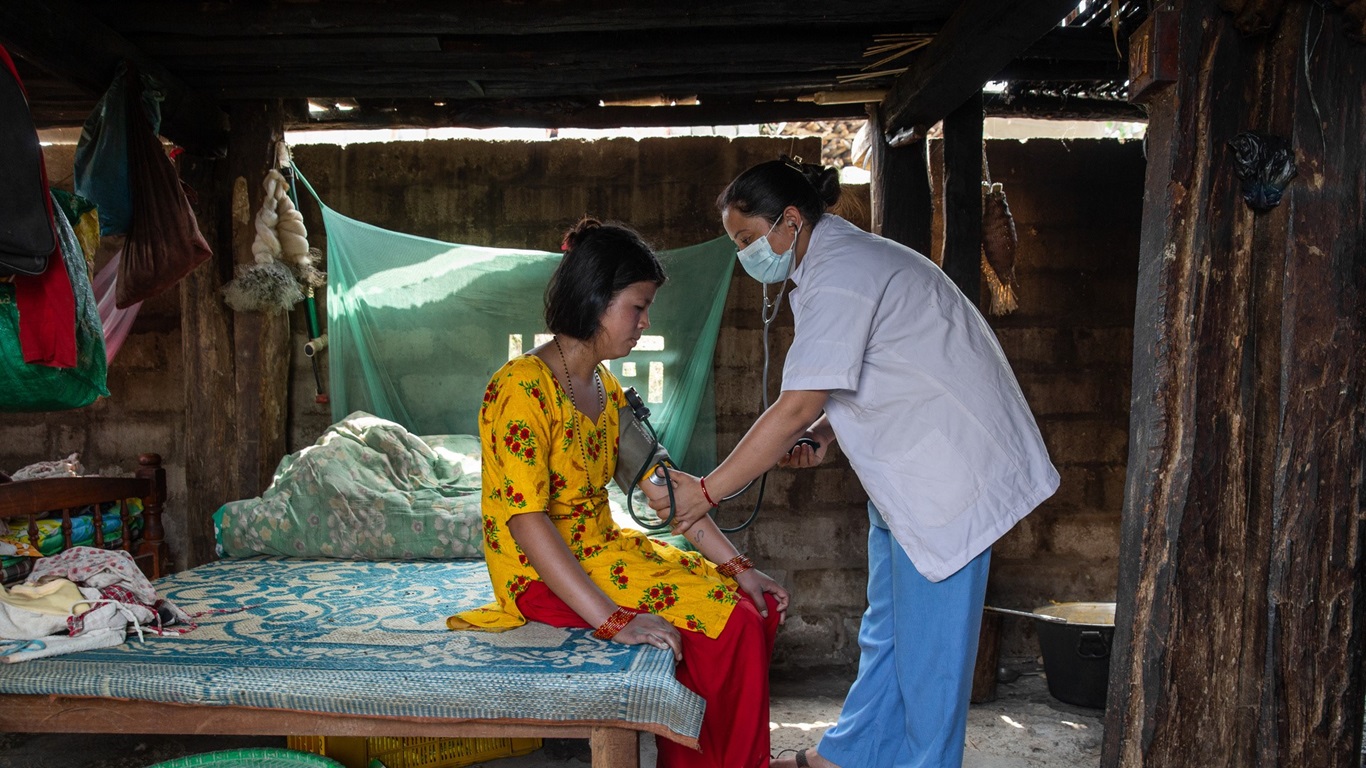
In Nigeria and across Africa, primary care is central to the response. Blood pressure checks, diabetes screening and follow-up can happen close to home when health workers are trained, stocked and supported. MSF’s programme in Zimbabwe illustrates how nurses can manage hypertension and diabetes in local clinics when they have protocols, mentoring and reliable medicines. The WHO report adds a broader lens: which communities can reach those services, and where does the system still lose them?
The report is a starting map, not a global ranking of governments. Its most useful outcome would be more targeted action: screening designed around the groups being missed, prevention that addresses environmental risks, and treatment systems that follow patients beyond their first appointment. A country cannot close an inequality it refuses to measure. It also cannot close one by publishing the numbers alone.
Sources
Image credits
Cover image: Médecins Sans Frontières Southern Africa, Manicaland chronic disease programme. In-article image: World Health Organization, hypertension care image.
The conversation
0 comments
Join the discussion with a thoughtful response.