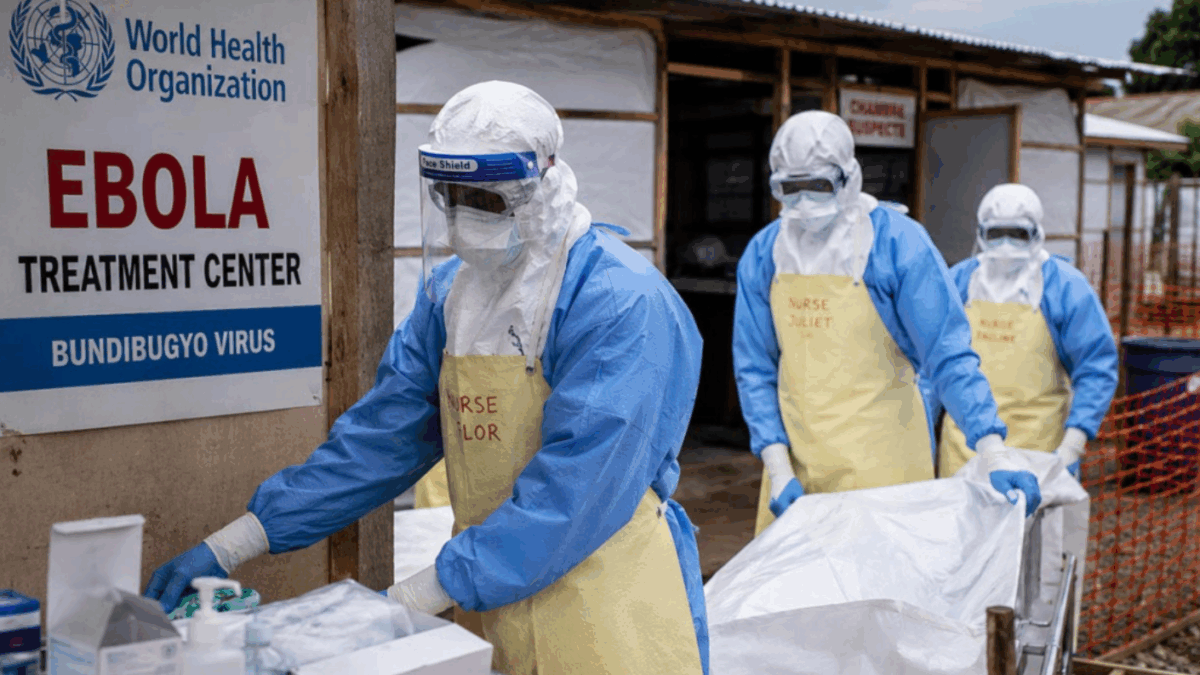

Nigeria confirmed one imported case of Ebola Bundibugyo virus disease in Abuja on October 20, placing a fresh demand on the country’s public health response. The patient is in isolation and receiving care. The World Health Organization says the Federal Ministry of Health has identified 44 contacts who are being monitored while investigators reconstruct the woman’s travel and exposure history.
The dates matter. WHO reports that symptoms began on October 7, four days after the patient arrived in Nigeria, and that she sought care at a private Abuja facility on October 11. A laboratory result confirmed Bundibugyo virus on October 20. Officials have not established the source of infection. Although the patient had recent travel linked to Uganda, it would be premature to say where or when transmission occurred.
What the virus means for the response
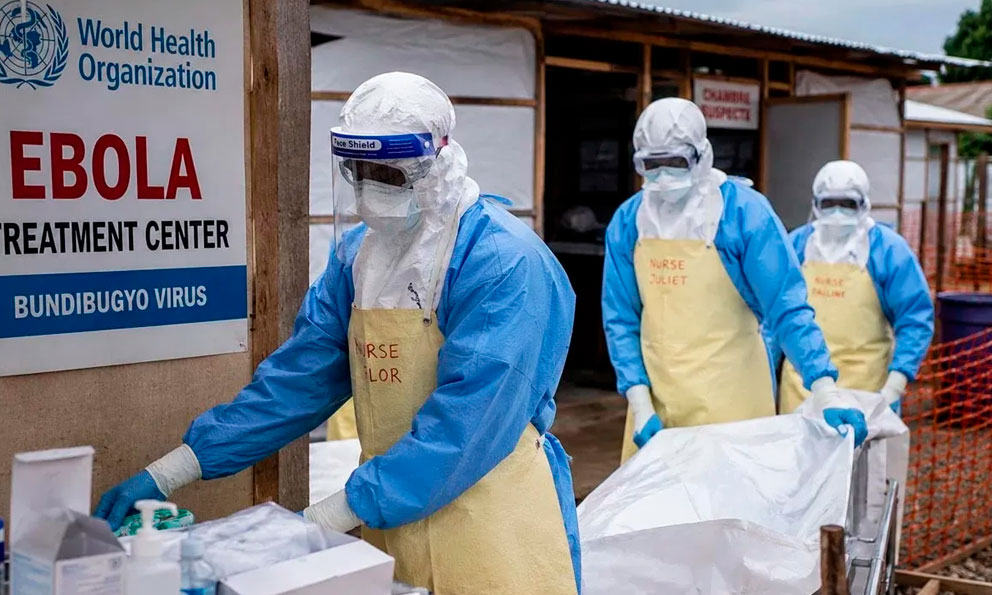
Bundibugyo is one of the viruses that can cause Ebola disease. It is not the same strain as the Zaire ebolavirus responsible for the 2014 West Africa epidemic. WHO advises that transmission occurs through direct contact with the blood or other bodily fluids of someone who is sick, or with contaminated materials. The public health response centres on rapid testing, isolation, careful clinical care, protective equipment, contact tracing and clear communication with communities.
That is why the figure of 44 contacts should be read as a response measure, not as a count of infections. People named as contacts are monitored because they may have been exposed. WHO says infection prevention measures are being strengthened at the private facility where the patient received care, while Nigeria’s disease control agency has activated its incident management system.
Preparedness without panic
The confirmation deserves serious attention, but the available evidence does not show that the virus is spreading through Abuja’s general population. Public reports describe one imported case, a patient in isolation, and contact tracing underway. WHO advises countries in the region to remain ready and says it does not recommend restrictions on travel or trade with affected countries.
For residents, the useful response is to rely on health ministry updates rather than rumours, avoid sharing names or images of patients, and seek medical advice if a health authority identifies them as a contact. Ebola is a serious disease, but fear and stigma can make it harder for people to seek care or cooperate with tracing. Protecting a patient’s privacy is part of protecting the community.
Nigeria has built experience responding to outbreaks, but preparedness is tested in the details: a laboratory result must be acted on quickly, health workers must have the right equipment, and a contact list must become real follow-up. The response is still developing. The next meaningful updates will be whether all contacts are reached, whether any new cases are confirmed, and whether infection control at the facility holds.
Sources
Image credits
Cover image: Chilevisión, file image from the 2026 Bundibugyo outbreak response. In-article image: Plano Informativo, archival image from the 2026 Congo outbreak response.
The conversation
0 comments
Join the discussion with a thoughtful response.