
Four public colleges in Gombe State have entered an indefinite strike after a month-long window for negotiations ended without a settlement that workers say they could verify. The Joint Union of Gombe State Tertiary Institutions, known as JOUGTIN, said the action took effect at midnight on October 19. By the time the first notices reached students, the argument had already travelled through an ultimatum, a warning strike, a pause for talks and a final meeting that failed to bridge the gap.
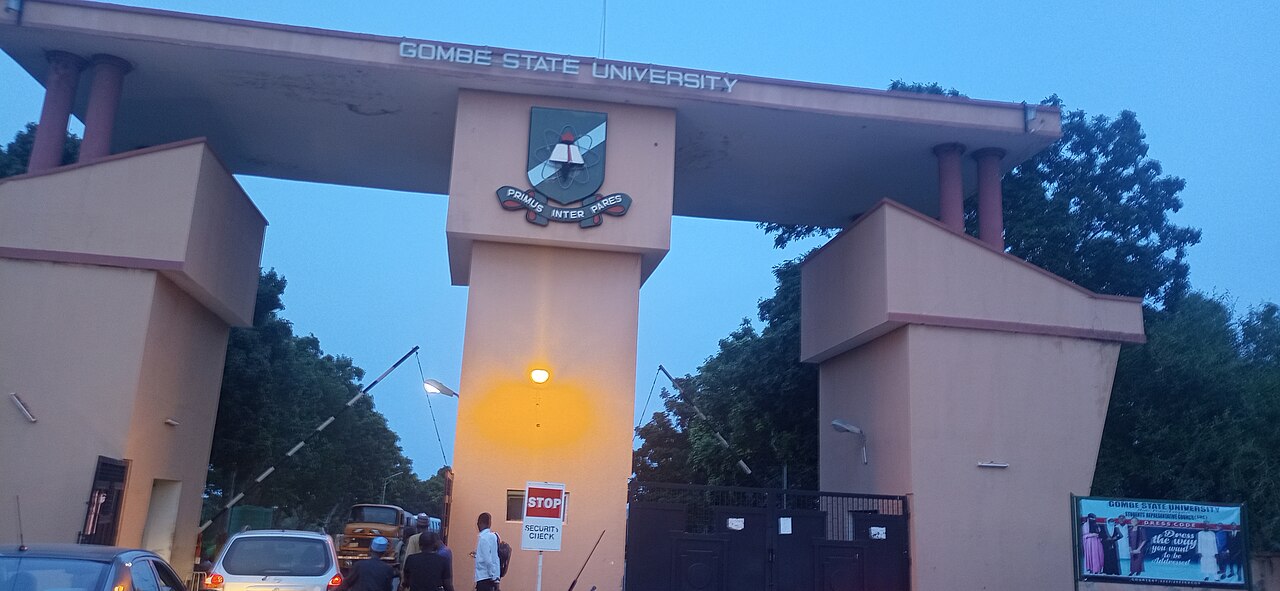
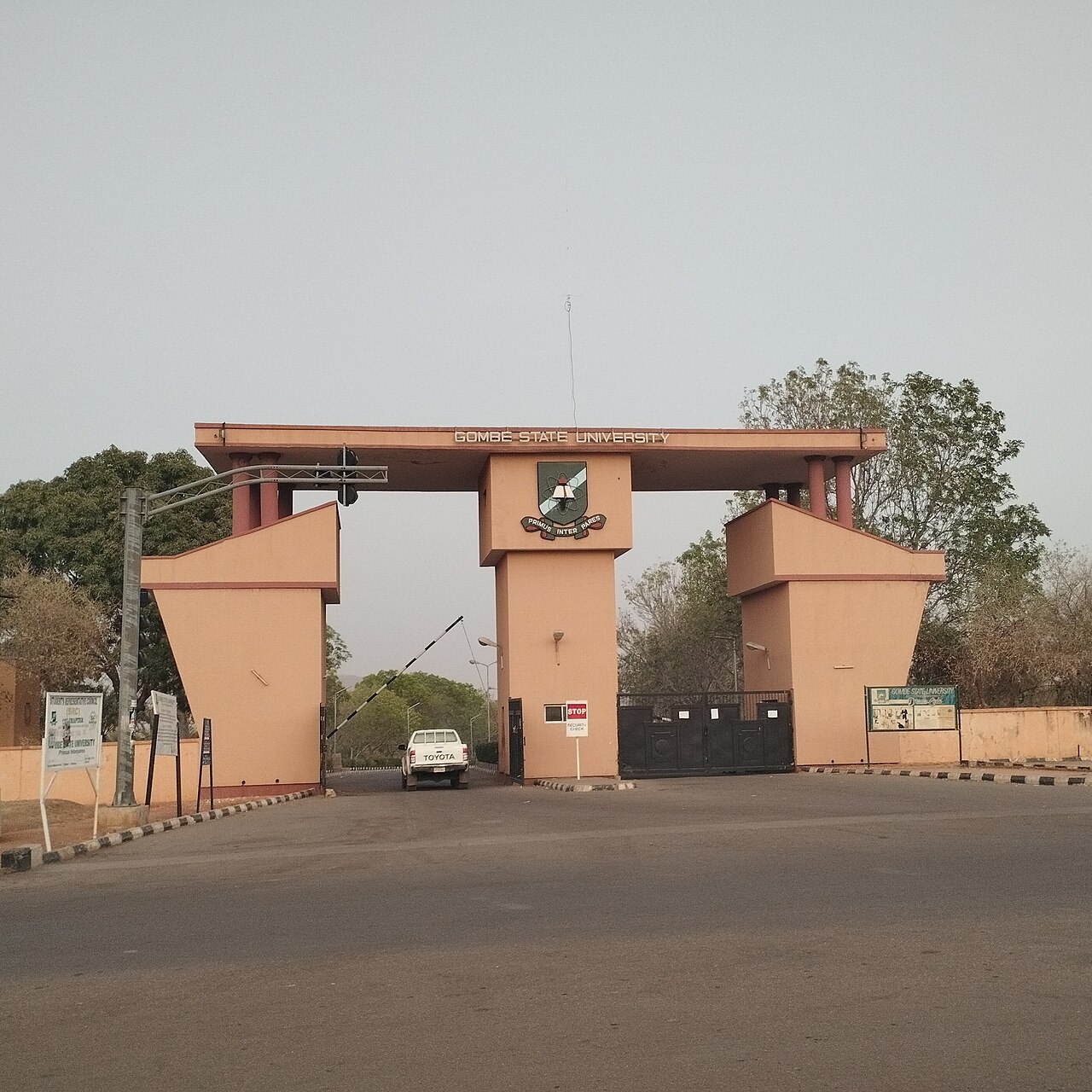
The institutions named by the union are the College of Education in Billiri, Gombe State Polytechnic in Bajoga, the College of Health Science and Technology in Kaltungo, and the College of Education and Legal Studies in Nafada. The union says academic and non-academic workers are covered. A photograph of Gombe State University accompanies this report as a file image only. Gombe State University is not among the four institutions named in the current action.
What the dispute is about
JOUGTIN says the dispute began on August 17, when it issued a 14-day ultimatum over salary and welfare obligations. After that deadline passed, constituent unions held a two-week warning strike beginning September 2. The state government then asked for time to negotiate, and the unions suspended the proposed indefinite action for a month, from September 17 through October 16.
The union says it wrote again on October 6 and met government representatives on October 17. Its account is that the meeting ended with a request for more time but no concrete offer. That is the union's explanation for acting now. Public reports reviewed for this story did not include a detailed written response from the state government setting out which demands it accepts or how quickly it plans to address them.
The workers' list is broad. It includes implementation of the national minimum wage and consequential adjustments, previously approved salary increases, unpaid wage awards and relief measures, years of annual increments, and specific allowances for college staff. These are not all the same kind of claim. Some concern the monthly wage scale, others are arrears, and others are allowances or benefits. A credible settlement will need to say which items have been verified, what is owed, and when payment or implementation will happen.
The people caught between the two sides
Students do not set the pay structure, but they feel the effect when classrooms close. A stop in teaching can interrupt practical sessions, placement schedules, examinations and graduation timelines. Families who pay for transport, accommodation and supplies may face added costs if the academic calendar stretches. Workers also carry pressure: they are being asked to choose between a livelihood dispute and the knowledge that students will bear some of its immediate cost.
JOUGTIN says it regrets the disruption and remains open to negotiations that produce concrete commitments. That distinction matters. Dialogue can continue during an industrial dispute, but another meeting without a written timetable could simply extend uncertainty. The state has the responsibility to make a clear proposal, while the union has a responsibility to explain the costs and consequences of its demands with records that can be checked.
The next test is whether the parties can move from statements of intent to a dated agreement. Students and parents need to know which campuses are closed, how missed teaching will be recovered and what would trigger a return to work. The public also needs an accounting of outstanding liabilities. The strike is a labour story, but it is also a measure of whether the systems supporting public colleges can keep promises once a warning is issued.
Sources
- PUNCH reporting and JOUGTIN's communiqué details
- Trust Radio report
- The Sun Nigeria on demands and the October 17 meeting
Image credits
Cover image: Abike25, CC BY-SA 4.0, via Wikimedia Commons. File image of Gombe State University, which is not one of the four institutions affected by this strike.. In-article image: Gwanki, CC BY-SA 4.0, via Wikimedia Commons. This is a separate Gombe State institution and not one of the four colleges in the strike..
The conversation
0 comments
Join the discussion with a thoughtful response.