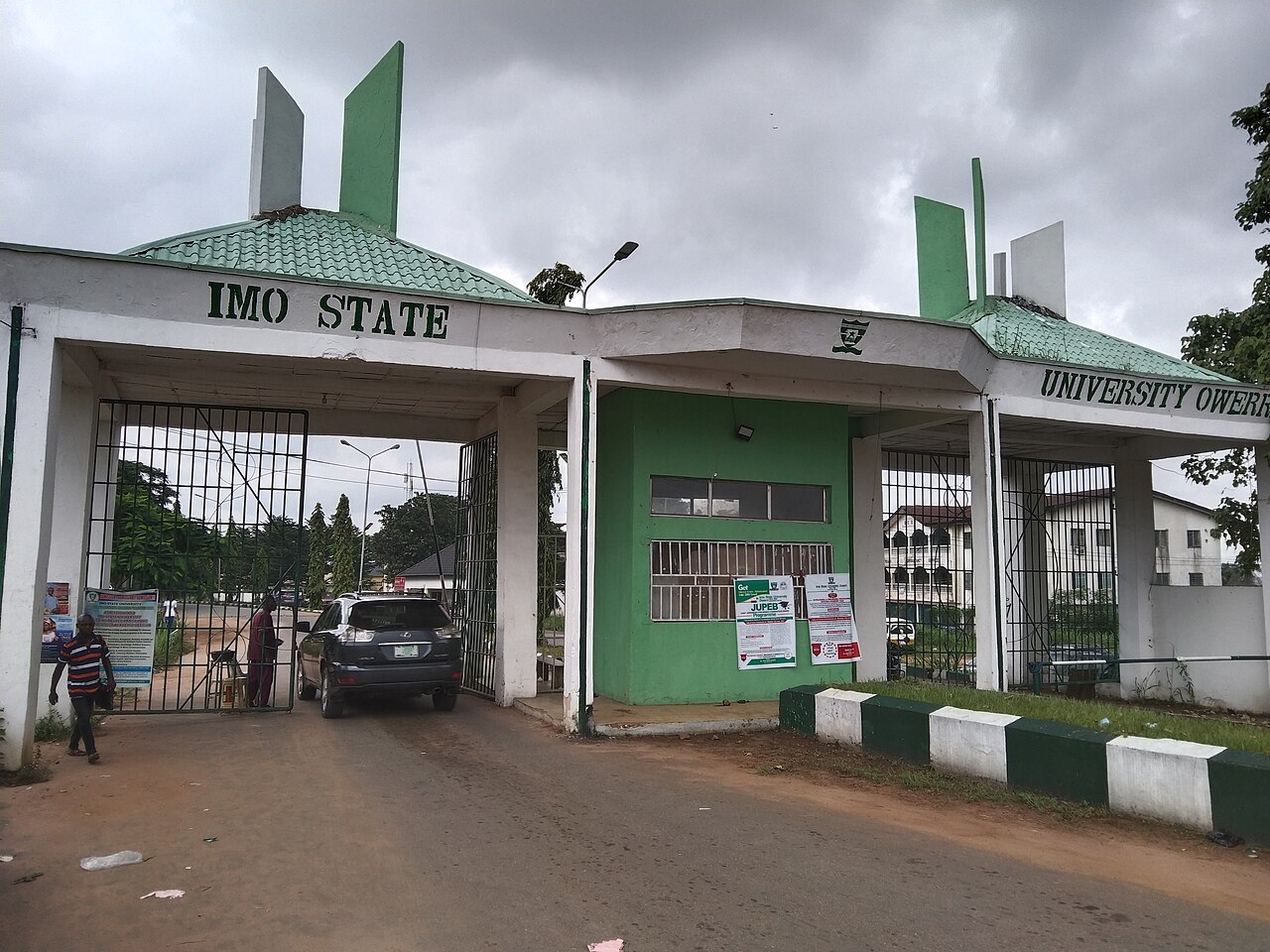

At Imo State University in Owerri, the most visible cost of an academic dispute is often counted in missed lectures. The less visible cost is spread through an ecosystem around the campus: food sellers, transport operators, bookshops, printing shops and landlords whose work depends on students being there. Reporting published as the stoppage reached roughly its seventieth day describes students and small business owners left waiting. By October 21, the action had continued beyond ten weeks.
The strike began on August 10, when ASUU-IMSU declared an indefinite withdrawal over alleged failures to implement a 2025 agreement on staff welfare and conditions of service. The Federal Ministry of Information's Fact Check and Information Unit published the initial account from Imo State. That report sets out the union's position. The fact that the dispute has continued does not by itself establish which parts of the agreement remain outstanding, and the ministry's item is not a substitute for a final audit of the claims.
A shutdown spreads beyond the timetable
For a student, a delayed semester can mean more than postponing a test. It can complicate rent, transport plans, work and family responsibilities. Students nearing graduation may be trying to coordinate placements or next steps without a reliable date for resumption. Those who live away from Owerri may have to decide whether to keep paying for a room or travel home and return later. These are common pressures in a prolonged stoppage, though the individual circumstances differ from student to student.
Small traders face a different calculation. A canteen that normally sells lunch to a stream of students cannot replace that daily traffic simply by opening as usual. A printing shop may see less demand for course materials. A transport operator may lose a regular route pattern. Leadership's reporting brings these local effects into view, reminding readers that a university is also part of the city economy around it.
What needs to be made public
Industrial disputes often become a contest of broad phrases: welfare, arrears, implementation, negotiations. The public needs more precise information. Which clause in the 2025 agreement is in dispute? What amount has been independently confirmed as unpaid? Which items are the university's responsibility and which require a state government decision? What has each side proposed, and what date will they meet again?
Those questions do not undermine the union's right to strike or the administration's right to examine a claim. They help students and residents understand what a settlement would require. If a figure is disputed, the disagreement should be stated. If a commitment depends on an appropriation, that too should be explained. A statement that talks are continuing is not a timetable.
For students, the practical priority is a credible route back to teaching and a plan to make up lost work. For staff, a durable return depends on confidence that agreed terms will be honored. For the businesses around the campus, even a clear estimate of what comes next would be more useful than silence. The longer a strike lasts, the more its costs move from a negotiation table into people's everyday budgets.
Sources
- Leadership's October report on students and local businesses
- Federal Ministry of Information report from the start of the strike
- IMSU campus information
Image credits
Cover image: King ChristLike, CC BY-SA 4.0, via Wikimedia Commons. In-article image: King ChristLike, CC BY-SA 4.0, via Wikimedia Commons.
The conversation
0 comments
Join the discussion with a thoughtful response.