

President Donald Trump signed an executive order on October 19 creating a Women’s Health Division within the National Institutes of Health and a separate White House Women’s Health Task Force. The announcement, championed by First Lady Melania Trump, calls for research and care that follow women and girls through different stages of life. It also creates a practical question that the policy has not yet answered: how much new funding will support the work?
The order directs federal agencies to strengthen prevention, diagnosis, treatment and research. It names areas including maternal health, endometriosis, infertility, fibroids, menopause, heart disease and Alzheimer’s disease. The White House says the task force will coordinate government-wide work, with Health and Human Services Secretary Robert F. Kennedy Jr. and Chief of Staff Susie Wiles among its leaders.
A new division beside an existing NIH office
The announcement can sound as if women’s health had no home at NIH before this week. That would be inaccurate. The NIH Office of Research on Women’s Health has existed since 1990 to support research into factors that influence women’s health and disease. The administration says the new division will improve coordination and move discoveries into better care. How responsibilities will be divided between the new unit and the existing office will become clearer as NIH publishes its structure and plans.
The executive order also rescinds a 2024 order from the Biden administration that advanced women’s health research. The Biden White House had described nearly one billion dollars in federal commitments for that initiative before it left office. The Trump order does not provide specific funding goals, according to the Associated Press. The contrast makes implementation and budget decisions especially important to watch.
Research priorities need durable support
For many conditions affecting women, the challenge is not simply whether a research topic appears in a policy document. It is whether scientists can sustain studies long enough to learn about prevention, diagnosis and treatment, and whether those discoveries reach clinics. Grants, clinical trial participation, data quality and affordable care all shape what a new division can accomplish.
Women’s health is broader than reproductive health. The order includes heart disease, stroke, osteoporosis and Alzheimer’s alongside pregnancy-related conditions and menopause. A life-stage approach can help agencies see how health needs change, but it should not reduce women to a single biology or assume every person has the same experience.
The measure will be judged by what NIH funds, what evidence agencies collect and how improvements reach patients. Creating a division establishes an organizational home. A task force can bring departments together. Neither structure guarantees better outcomes without research budgets, transparent priorities and follow-through.
Sources
- The executive order
- Associated Press reporting on implementation and funding
- NIH Office of Research on Women’s Health
Image credits
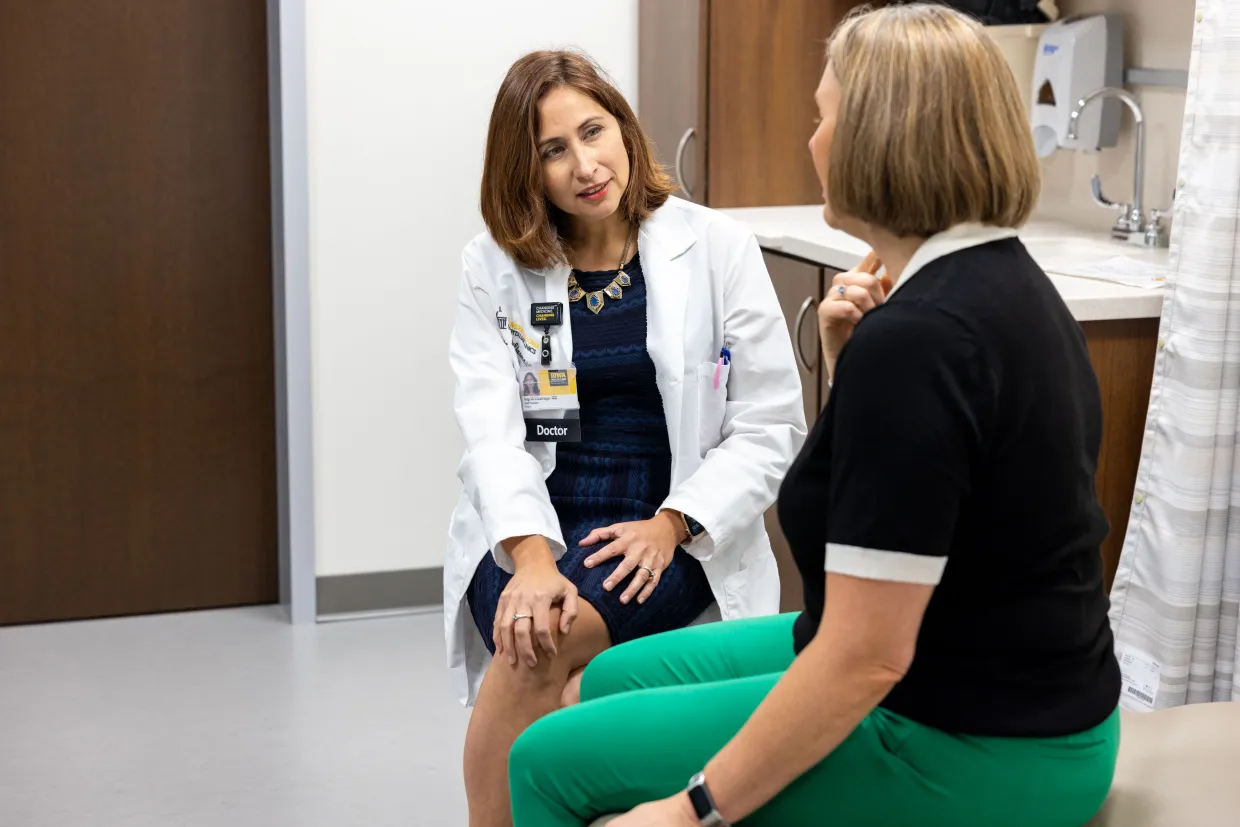
Cover image: Getty Images, as published by Mayo Clinic News Network, illustrative image. In-article image: University of Iowa Health Care, illustrative patient care photograph.
The conversation
0 comments
Join the discussion with a thoughtful response.